Selecting the right roofing material is a critical decision influenced by factors like budget, climate, and aesthetic preferences. Skyright, based in Coeur d’Alene, ID, provides expert insights and installation services to help you make the best choice for your home.
1. Asphalt Shingles
- Cost: $1–$1.20 per square foot (excluding installation).
- Lifespan: 20–30 years.
- Pros: Affordable, recyclable, low-maintenance.
- Cons: Moderate lifespan; may need frequent replacement in extreme climates.
2. Metal Roofing
- Cost: Around $10 per square foot.
- Lifespan: 40–80+ years (depending on material).
- Pros: Durable, low-maintenance, available in various styles.
- Cons: Higher upfront cost; can be noisy during rain without insulation.
3. Wood Roofing
- Cost: $6–$10 per square foot.
- Lifespan: Up to 30 years.
- Pros: Traditional aesthetic, natural insect resistance.
- Cons: Requires regular maintenance; unsuitable for very dry or wet climates.
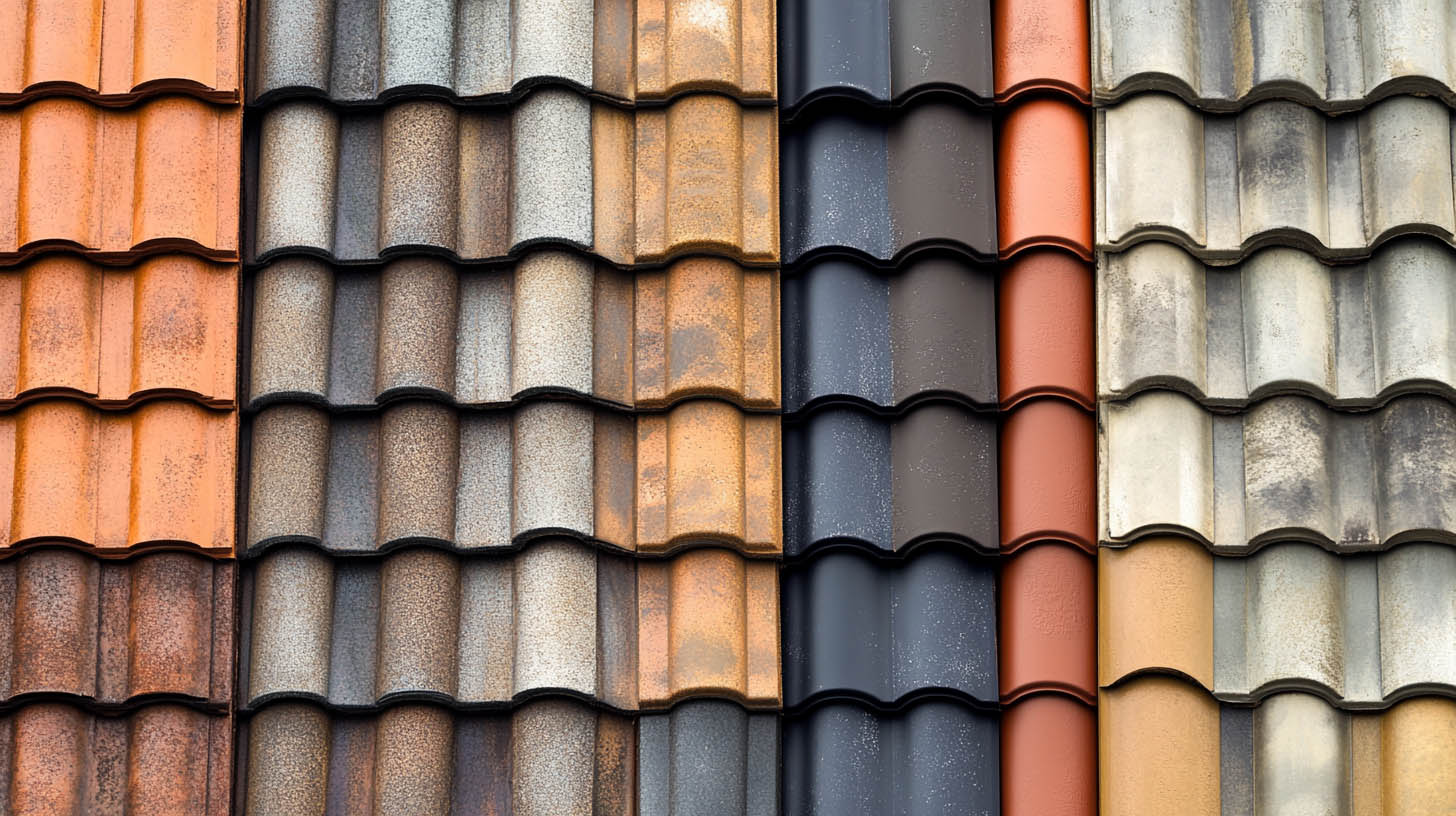
4. Clay Roofing Tiles
- Cost: $7–$25 per square foot (including installation).
- Lifespan: 50–100+ years.
- Pros: Superior insulation, long-lasting, visually appealing.
- Cons: Heavy; requires periodic maintenance and structural support.
5. Slate Roofing
- Cost: $16–$28 per square foot.
- Lifespan: 50–200 years.
- Pros: Exceptional durability, weather resistance, wide color range.
- Cons: High cost; heavy material necessitates strong structural support.
6. Green Roofs
- Cost: $10–$25 per square foot.
- Lifespan: 30–50 years.
- Pros: Eco-friendly, reduces energy costs, improves air quality.
- Cons: Requires specialized installation and maintenance.
7. Solar Shingles
- Cost: $14–$19 per square foot.
- Lifespan: Around 25 years.
- Pros: Energy generation, low maintenance, modern design.
- Cons: Higher initial investment.
Choosing the Best Material
When selecting roofing materials, consider factors like your home’s architecture, local climate, and budget. For professional advice tailored to your needs, SkyRight can help you make an informed decision and ensure quality installation.
Unique Fact
According to the U.S. Department of Energy, cool roofing materials like metal and solar shingles can reduce roof temperatures by up to 50°F, lowering energy consumption.
FAQ
Can I secure a tarp without nails?
Yes, a tarp can be securely fastened without nails by using ropes, bungee cords, or even ratchet straps. These can be tied to secure points such as chimneys, vents, or other sturdy structures, providing a firm hold without causing damage to your roof.
How long can a tarp serve as a temporary fix?
A tarp can effectively protect your roof for several weeks or even months, depending on weather conditions. However, it’s important to treat it as a temporary solution and schedule permanent repairs as soon as possible to prevent further damage and ensure long-term protection.
What is the best material for a roof tarp?
Heavy-duty polyethylene tarps are the best choice for roof protection. They are highly durable, weather-resistant, and able to withstand harsh conditions, including rain, wind, and UV exposure, ensuring effective protection for an extended period.
If you want to read a blog about how to use a tarp for temporary roof leak repairs, click here.