
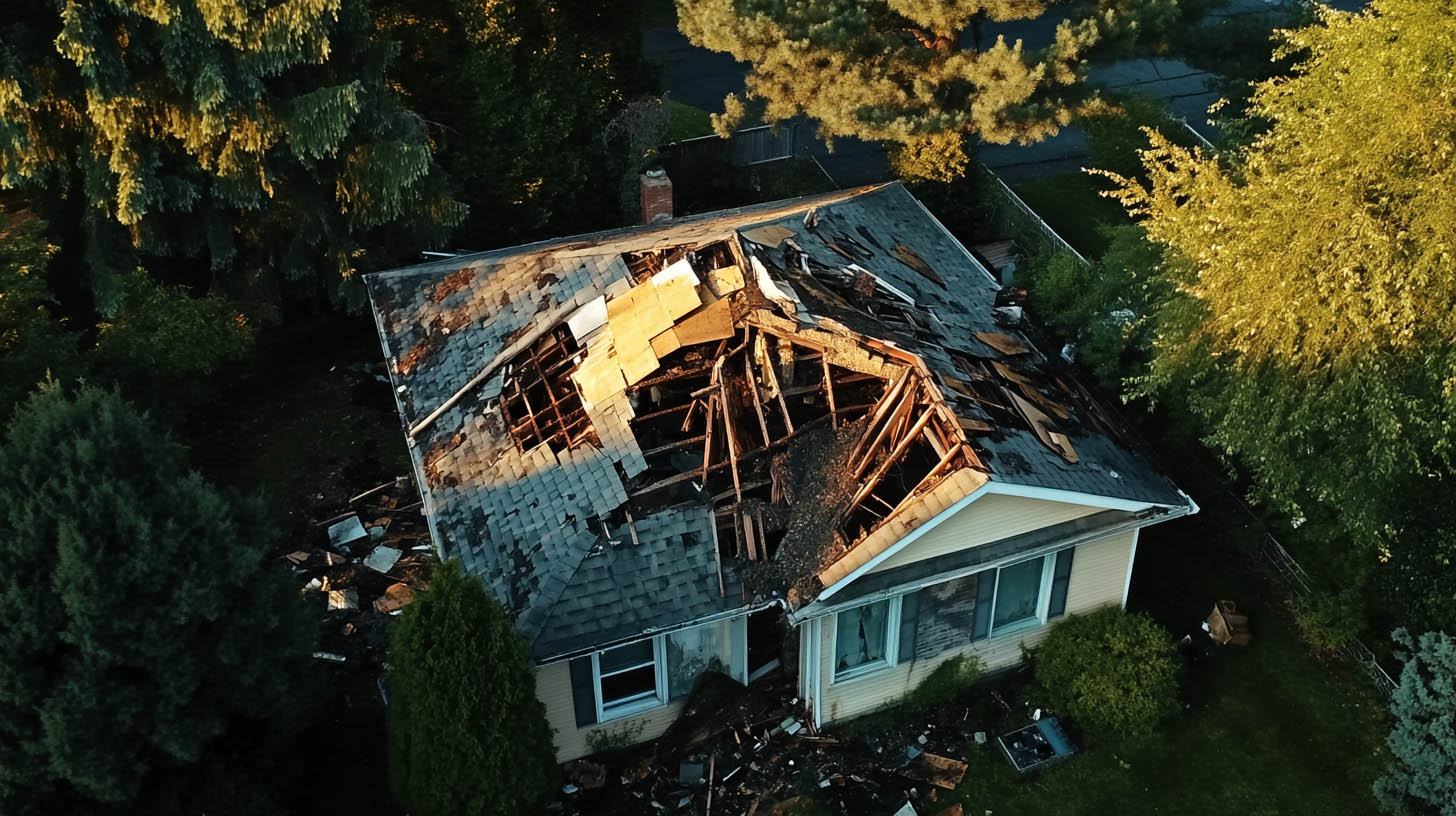
Roof damage from severe weather can be overwhelming, but with the right approach, you can navigate insurance claims effectively. At Skyright, based in Coeur d’Alene, ID, we prioritize helping homeowners secure proper coverage for their roofing needs. This guide outlines the steps to manage roofing insurance claims seamlessly.
Document the Damage Thoroughly
Capture clear, high-quality photos of every aspect of the roof damage. Take multiple angles and document any visible issues such as broken shingles, structural breaches, or water infiltration. This photographic evidence strengthens your claim by demonstrating the extent of damage.
Fact Highlight: Around 65% of roofing insurance claims are delayed due to insufficient documentation.
Understand Your Insurance Coverage
Review your policy to understand what types of damage are covered. Commonly, insurance covers damage from hail, wind, lightning, or falling objects. Policies often exclude damage from general wear, aging roofs, or neglected maintenance.
Report and File the Claim Promptly
Notify your insurance provider as soon as possible about the damage. They will guide you on claim submission timelines and required paperwork. Delays in reporting can risk claim denial.
Schedule a Roofing Contractor Inspection
Hire a certified roofing contractor to assess the damage and estimate repair or replacement costs. Some insurance companies mandate approved contractors, so confirm this with your insurer. Contractors will provide detailed reports to support your claim.
Fact Highlight: Professional inspections can increase the likelihood of claim approval by up to 30%.
Await Adjuster Evaluation
Many insurers deploy an adjuster to verify damage and determine the scope of repairs. Cooperate fully and provide your documentation during their visit. Contractors often work alongside adjusters to ensure accurate damage assessment.
Ensure Work is Pre-Approved
Before starting repairs, confirm that your insurance provider has approved the claim. If immediate work is necessary, such as emergency tarping, retain receipts for reimbursement. Severe damages may require temporary accommodations, which are often covered by insurers.
Know Your Rights to Appeal
If your claim is denied or partially approved, you can appeal. Hire a public adjuster to reassess the damage and negotiate with the insurance provider for fair reimbursement.
Proceed with Repairs or Replacement
After approval, arrange for repair or replacement. Choose durable, weather-resistant materials to reduce future risks. Your roofing contractor will ensure the work adheres to local codes and insurance requirements.
Fact Highlight: Claims involving a public adjuster result in settlements that are 747% higher on average compared to claims handled solely by the policyholder.
Conclusion
Roofing insurance claims can be challenging, but understanding the process simplifies the experience. With SkyRight’s expertise and certified services, you can ensure efficient handling and quality repairs.
FAQs
How soon should I file a roofing insurance claim?
File the claim immediately after damage occurs to avoid delays and potential denial.
Can I choose any roofing contractor for repairs?
Some insurers require contractors from their approved network. Verify this before hiring.
What happens if my claim is denied?
You can appeal the decision and involve a public adjuster to negotiate a better settlement.If you want to read a blog about ten tips for selecting the right commercial roofing materials, click here.