
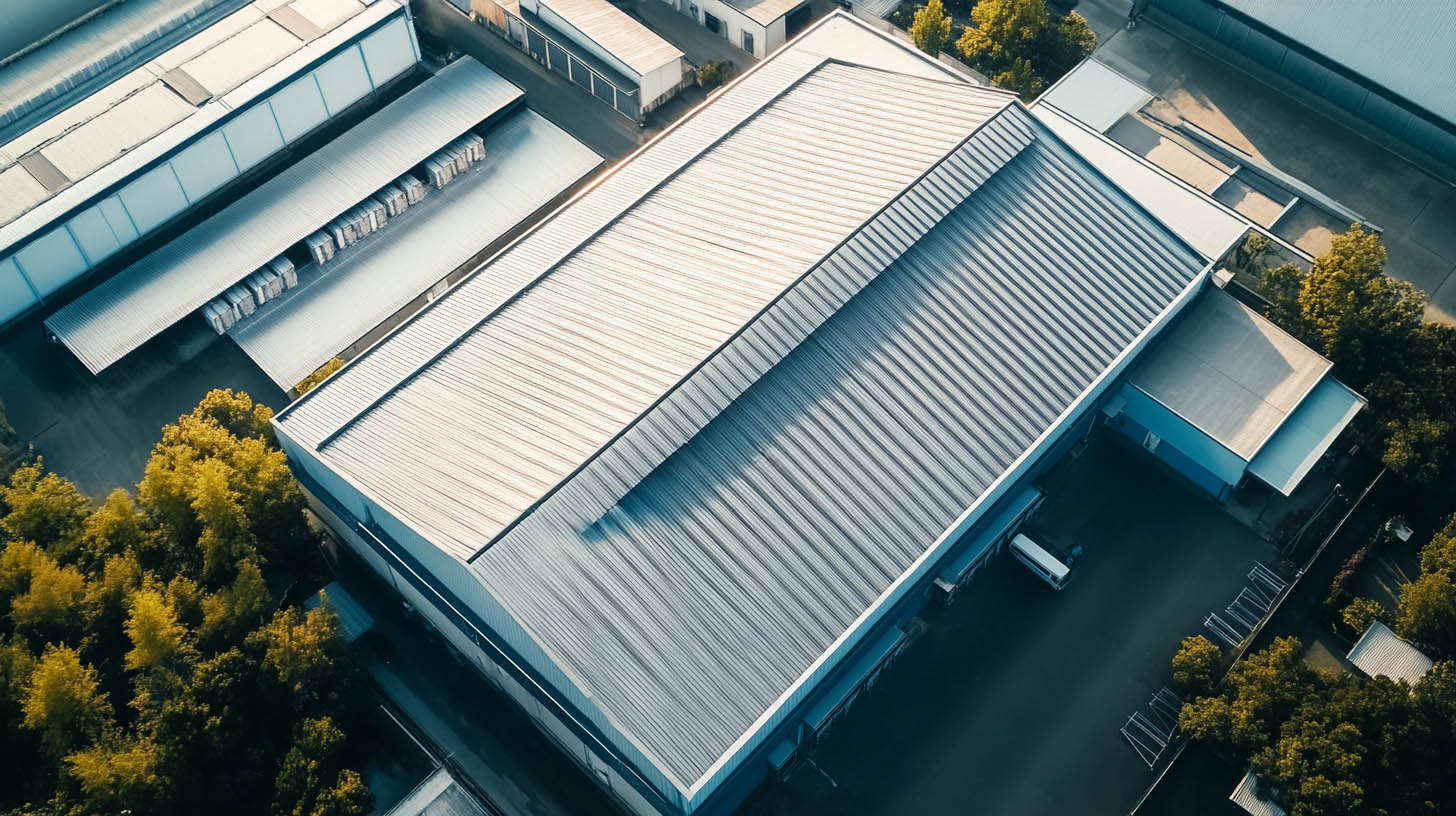
Choosing the ideal roofing material for your commercial building is critical to its safety, energy efficiency, and longevity. At SkyRight, based in Sandpoint, ID, we understand the importance of making informed choices when it comes to your roof. Here’s a detailed guide to help you navigate this decision.
1. Assess the Current Roof and Building Structure
Evaluate the existing roof and building components, such as HVAC systems, skylights, and vents. These factors influence the compatibility and maintenance of new roofing materials. Consider future expansion plans to ensure a cohesive aesthetic and functional transition.
Fact Highlight: Over 50% of commercial roofs are replaced prematurely due to improper assessment of existing conditions.
2. Budget Considerations
Balancing cost and quality is essential. While premium materials like slate and metal may have higher upfront costs, their longevity can make them a cost-effective choice in the long run.
- Evaluate material costs, installation fees, and maintenance.
- Consider financing options to distribute expenses over time.
3. Location and Environmental Factors
Your building’s location and surroundings significantly impact the choice of materials. For instance:
- Urban areas may benefit from reflective materials to counteract heat absorption.
- Buildings near trees require materials resistant to punctures from falling branches.
Ensure compliance with local building codes and material restrictions.
4. Climate Suitability
Extreme weather conditions dictate material resilience:
- Hot climates: Reflective, energy-efficient materials.
- Cold or snowy regions: Durable, watertight options.
- Humid areas: Mold and algae-resistant solutions.
Fact Highlight: Buildings with energy-efficient roofs can save up to 40% on cooling costs in hot climates.
5. Energy Efficiency
Energy-efficient roofing materials, such as cool roofs, reduce energy bills and environmental impact. Reflective materials and insulating underlayments improve temperature regulation inside the building.
6. Maintenance Requirements
Choose materials based on their maintenance demands. Low-maintenance options like metal or synthetic roofing can reduce ongoing expenses, especially in storm-prone areas.
7. Longevity and Durability
Durable materials like slate or metal offer extended lifespans and resilience against natural disasters. Consider fire-retardant and weather-resistant options if your location is prone to wildfires or severe storms.
8. Material Weight
Structural integrity must support the chosen roofing material. Older buildings may require lightweight options to avoid compromising stability.
9. Aesthetic Appeal and Functionality
Select materials that align with your building’s purpose and aesthetic. Roofing styles, textures, and colors should complement the architecture and surrounding environment.
10. Partner with a Trusted Roofing Company
Collaborating with a reliable roofing contractor ensures expert guidance and quality installation. As a certified Owens Corning Preferred Contractor and Bonner County’s top-rated roofing company in 2023, SkyRight is your trusted partner for superior roofing solutions.
Conclusion
Selecting the right commercial roofing material involves balancing cost, durability, aesthetics, and environmental factors. At SkyRight, our team of experts provides tailored recommendations to ensure your roof meets your needs effectively and efficiently.
For professional advice and installation, trust SkyRight to deliver excellence and longevity for your commercial roof.
FAQs
1. What factors determine the best roofing material for my building?
Key factors include climate, budget, building structure, and intended use of the property.
2. How often should I maintain a commercial roof?
Maintenance schedules depend on material type and environmental exposure. Generally, semi-annual inspections are recommended.
3. Can I use the same roofing material for expansions?
For aesthetic and functional consistency, it’s ideal to use the same or compatible materials during expansions.If you want to read a blog about protecting your roof from damage with 10 essential tips, click here.