A well-maintained roof is crucial for protecting your home from external elements like falling limbs, pests, and water damage. At Skyright, based in Coeur d’Alene, ID, we prioritize roof care to safeguard your property year-round. Here are ten proven methods to protect your roof and extend its lifespan.
1. Trim Overhanging Trees
Overhanging tree branches pose a significant risk to your roof, especially during storms. Weak limbs can break, damaging shingles or puncturing the roof. Additionally, falling leaves can clog gutters, leading to water backup and damage.
Tip: Regularly prune trees near your home to prevent debris accumulation and deter animals from accessing the roof.
2. Maintain Gutters
Clogged gutters cause water to pool under shingles, leading to rot, mold, and structural issues. Ensure your gutters are clean and free from debris to direct water away from the roof efficiently.
3. Clear Roof Debris
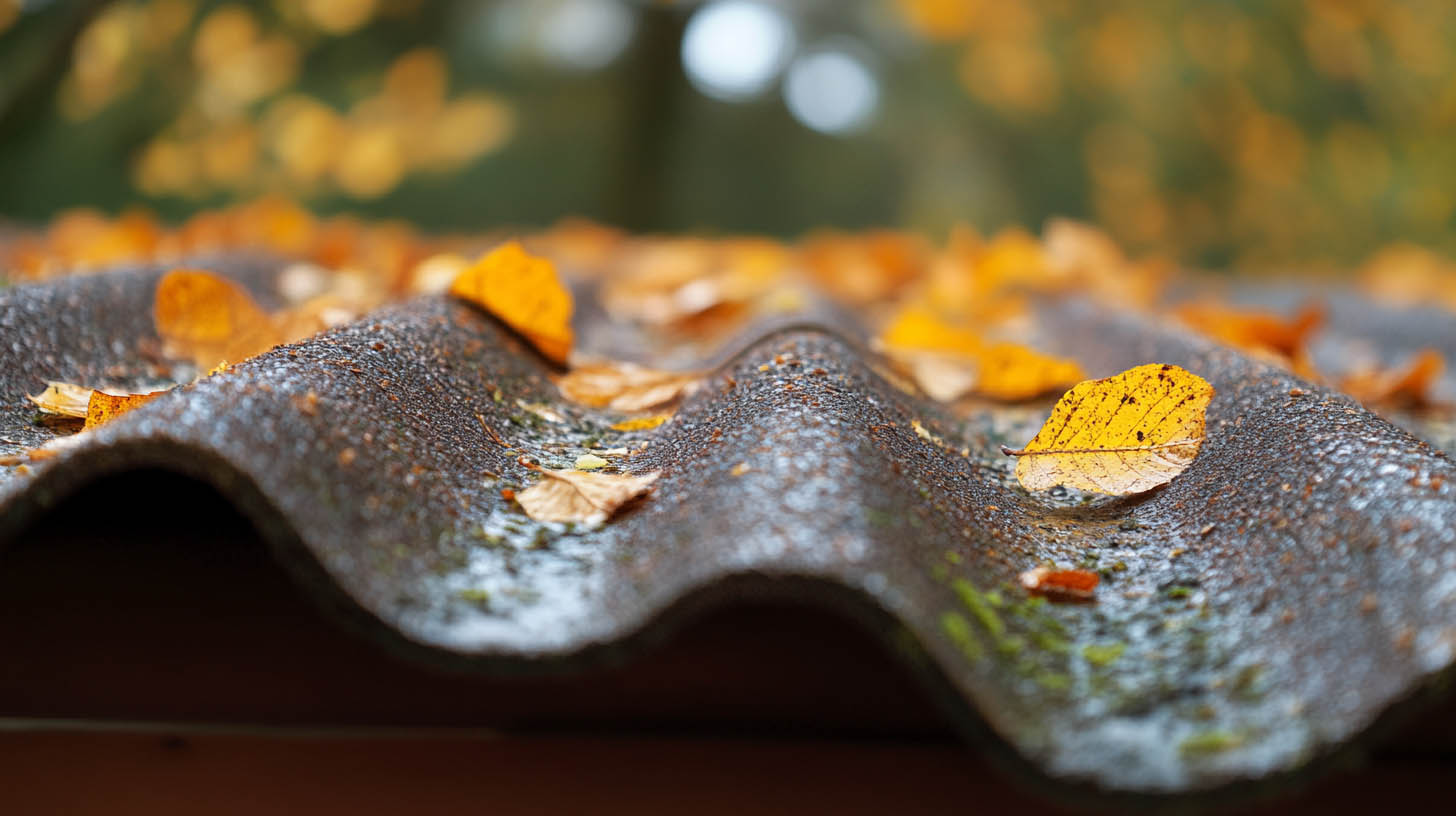
Debris like fallen branches and leaves not only damage shingles but also trap moisture, accelerating deterioration. Clearing debris regularly preserves the roof’s protective granules, which shield against UV rays.
4. Remove Moss and Algae
Moss and algae can compromise the integrity of your shingles, causing them to rot. These growths also attract insects and increase the likelihood of structural damage.
Did You Know? Moss retains moisture, making it a breeding ground for pests like gnats and mosquitoes.
5. Schedule Biannual Inspections
Professional inspections in spring and fall identify early signs of damage, such as sagging, gaps, or pest infestations. A certified roofer ensures your roof is ready for seasonal challenges.
6. Address Ice Dams Promptly
Ice dams form when snow melts and refreezes on the roof, causing water to back up under shingles. These dams increase the risk of leaks and structural damage.
Tip: Improve attic insulation and ventilation to minimize ice dam formation.
7. Repair Damaged Shingles
Missing or worn shingles expose your roof to leaks and further degradation. Regularly inspect your roof for signs of shingle wear, such as granules in gutters or loose materials.
8. Reseal Flashing
Flashing around chimneys, vents, and skylights directs water into gutters. Over time, flashing can loosen or degrade, leading to leaks. Ensure these areas are resealed as needed.
9. Implement Pest Control
Rodents, birds, and insects often seek shelter in roofs. Once inside, they can chew through insulation and wood, causing significant damage. Sealing small openings and addressing pest issues promptly is essential.
10. Inspect the Attic
The attic is often the first place where roof issues become evident. Look for water stains, droppings, or structural damage. Proper insulation and ventilation also enhance energy efficiency and reduce ice dam risks.
Unique Insights
Did You Know? Roof granules protect shingles from harmful UV and infrared rays, extending their lifespan and reducing energy costs.
SkyRight: Experts in Roof Protection
SkyRight combines expertise and advanced techniques to deliver superior roofing solutions. Recognized as Bonner County’s #1 rated roofing company in 2023 and an Owens Corning Preferred Contractor, we ensure your roof remains in top condition through all seasons.
FAQs
Q1: What are signs of moss-related damage?
Discolored shingles, excessive moisture, and insect activity are common indicators.
Q2: Are tree branches always a risk to roofs?
Yes, overhanging branches can damage shingles during storms and provide access for pests.
Q3: Can pests significantly damage a roof?
Yes, animals like rats and squirrels can chew through wood and insulation, causing long-term damage.
Q4: Is professional inspection necessary?
Yes, professionals can identify hidden issues that might be missed during a DIY inspection.If you want to read a blog about what you need to know about commercial roof replacements, click here.