
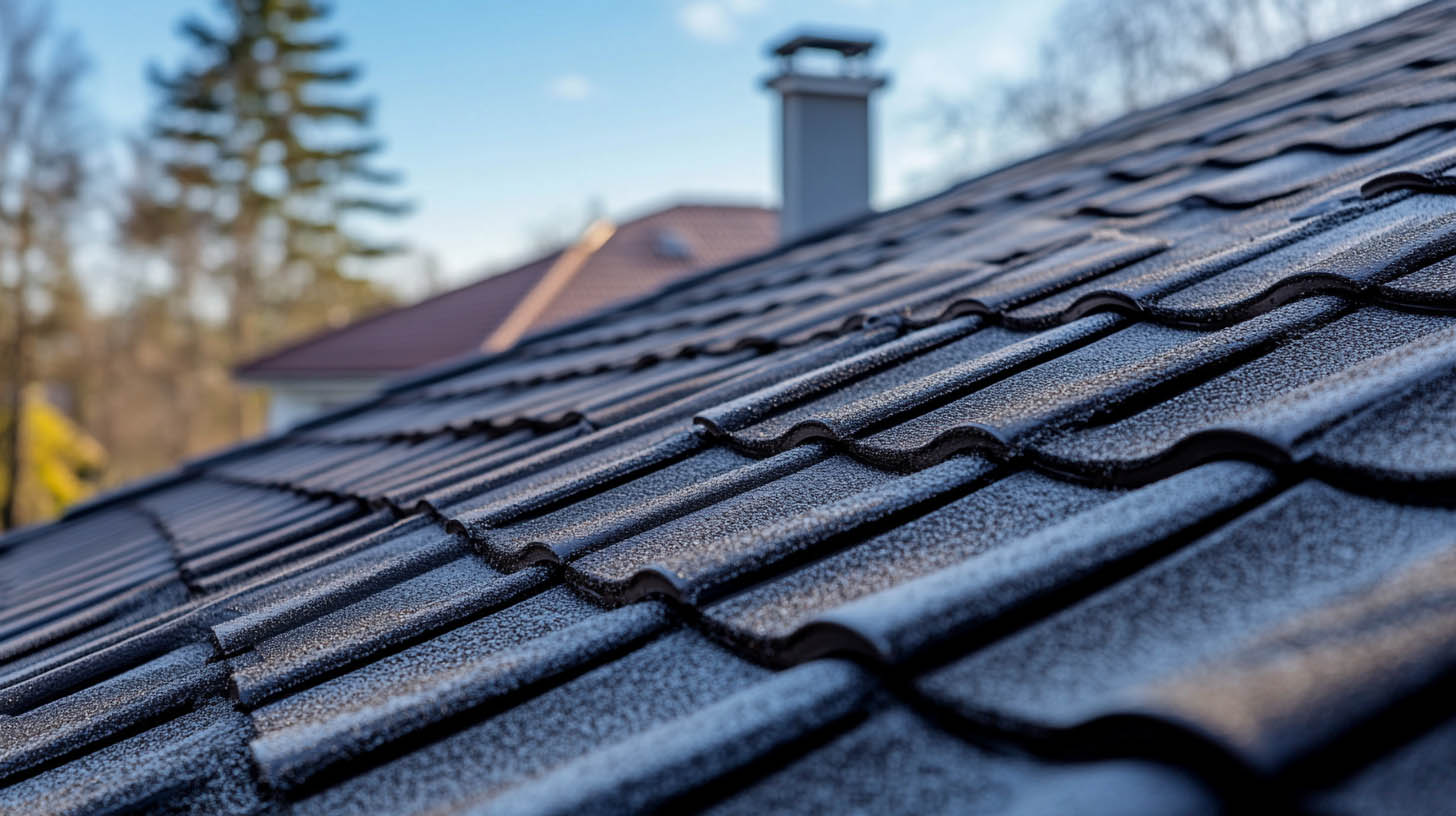
Cold weather poses unique challenges to roofing projects, from material rigidity to installation complications. At SkyRight in Sandpoint, ID, we specialize in effective cold-weather roofing solutions tailored to meet winter’s demands, ensuring long-lasting performance and resilience.
Challenges of Cold Weather Roofing
1. Material Behavior in Low Temperatures
- Asphaltic Materials: Tend to become rigid and brittle, leading to poor flexibility and application challenges.
- Thermoplastics: Difficult to handle due to reduced weld quality in cold conditions.
2. Adverse Weather Impacts
Unpredictable conditions like rain or snow can damage work mid-process, reducing effectiveness and necessitating repairs.
Effective Roofing Strategies for Winter
Site Preparation and Planning
- Conduct thorough inspections of roof interiors and exteriors to identify potential issues like leaks or drainage problems.
- Perform non-destructive tests (e.g., moisture scans) for accurate assessments.
Choosing the Right Materials
- SBS Modified Asphalt Membranes: Rubberized polymers provide flexibility and durability in freezing conditions.
- APP Membranes: Suitable for mild cold climates, offering efficient heat-fused application.
- Self-Adhered Membranes: Cold-weather formulations like Polyglass Polar products are ideal for below-freezing environments.
Application Techniques
- Heat-Fusing: Bonds membranes effectively and introduces beneficial residual heat to the roof surface.
- Temporary Fixes: Urethane or silicone sealants with reinforcing fabrics provide strong interim solutions for repairs.
Unique Fact: Cold-weather roofing materials, such as SBS-modified membranes, maintain flexibility at temperatures well below freezing, making them a superior choice for winter projects.
Tips for Successful Cold Weather Roofing
- Set Clear Goals: Determine whether the work is temporary or permanent and choose materials accordingly.
- Account for Weather: Ensure that storage and staging areas protect materials from freezing.
- Plan for Delays: Allow for flexibility in scheduling to accommodate adverse weather interruptions.
Why SkyRight Is Your Trusted Partner
As Bonner County’s #1 Rated Roofing Company in 2023, SkyRight delivers high-performance roofing solutions that withstand harsh winter climates. From inspections to tailored material recommendations, we ensure your roof remains durable and efficient.
Did you know? Self-adhered cold-weather membranes have advanced significantly, making them viable for installation in temperatures as low as 25°F.
FAQs
Q: Can roofing projects be done in freezing temperatures?
A: Yes, with the right materials and techniques, roofing can be effectively installed during winter.
Q: What’s the best material for winter roofing?
A: SBS-modified asphalt membranes are ideal for flexibility and durability in freezing conditions.
Q: How do I protect my roof during winter storms?
A: Regular inspections, debris removal, and proactive maintenance help prevent damage.
Q: Are temporary repairs effective?
A: Yes, when done correctly using high-quality sealants and reinforcements, temporary fixes can last through harsh conditions.
Q: How do I prepare for winter roofing projects?
A: Start with thorough inspections, select materials suited for cold weather, and schedule work around weather forecasts.If you want to read a blog about how to extend the design life of your roofing system with preventative maintenance and repairs, click here.