

The importance of roof ventilation in northern climates often goes unnoticed until significant issues arise. At SkyRight Roofing and Gutters, we understand that maintaining adequate airflow is crucial not only for the longevity of roofing materials but also for the structural integrity of your entire home. Poor ventilation can lead to excessive heat and moisture buildup, resulting in mold growth, water damage, and costly repairs. Our team in Coeur d’Alene, ID specializes in assessing and improving attic ventilation to prevent these problems. Recognizing the signs of inadequate attic ventilation early can save homeowners from substantial financial burdens and health risks associated with poor indoor air quality, and we are here to help ensure your home stays safe and sound.
Why Roof Ventilation Matters in Northern Climates
In northern climates, proper airflow is essential for maintaining the structural integrity of the roof and extending its lifespan. Inadequate attic ventilation can lead to moisture accumulation, increasing the risks of mold growth and wood rot. Seasonal temperature fluctuations create significant challenges, making good ventilation vital to regulate indoor humidity levels. Moreover, effective roof ventilation supports energy efficiency by balancing heating and cooling demands, ultimately lowering energy bills and enhancing comfort in living spaces throughout the year.
Unique Weather Challenges Faced in Idaho and the Pacific Northwest
Idaho and the Pacific Northwest encounter distinct weather challenges that significantly impact roof ventilation. The combination of heavy snowfall, frequent rain, and fluctuating temperatures creates an environment prone to moisture accumulation. Such conditions can lead to ice dam formation and exacerbate issues related to inadequate attic ventilation. Furthermore, the high humidity levels during warmer months can contribute to mold growth within poorly ventilated attics. Addressing these challenges is crucial for maintaining the structural integrity of roofing materials and ensuring proper airflow throughout the entire home.
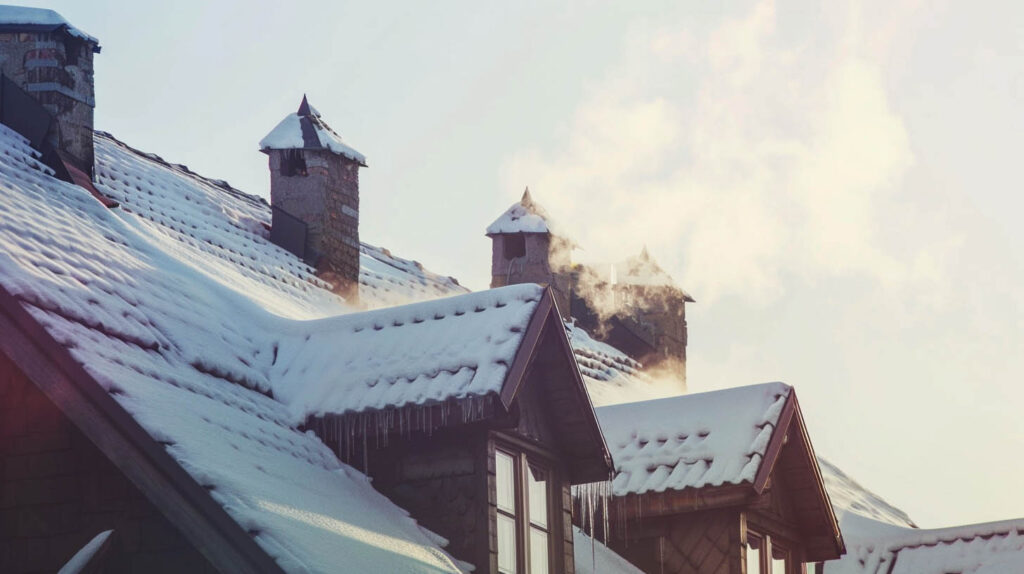
The Role of Proper Airflow in Extending Roof Life
Effective airflow plays a crucial role in prolonging the life of your roof. By facilitating proper ventilation, it helps to prevent excessive heat and moisture accumulation within the attic space, which can lead to significant risks such as mold growth and structural damage. Maintaining optimal attic temperatures reduces the likelihood of ice dams forming in winter, positively impacting roofing materials like asphalt shingles. Ultimately, proper airflow safeguards the structural integrity of your roof, ensuring a longer lifespan and mitigating costly repairs down the line.
Contact UsCommon Causes of Poor Roof Ventilation
Inadequate attic insulation and sealing often contribute significantly to poor roof ventilation. When the attic space lacks both proper insulation and a sealing mechanism, warm air can easily escape or become trapped, compromising indoor humidity levels. Blocked or improperly installed vents further exacerbate this issue, undermining the effectiveness of the ventilation system. Inadequate airflow leads to moisture accumulation, resulting in compromised structural integrity of the roof and heightened risks of expensive repairs. Vigilance in maintaining ventilation is crucial for overall home health.
Inadequate Attic Insulation and Sealing
Insufficient insulation and sealing in attics can greatly lead to ventilation problems in northern regions.This problematic combination allows excess moisture and heat to accumulate, compromising the structural integrity of the roof and leading to costly repairs. Signs of poor ventilation, such as ice dams and mold growth, become more prevalent as inadequate insulation fails to maintain optimal attic temperature. Ensuring proper attic ventilation promotes fresh air circulation, reduces indoor humidity levels, and enhances energy efficiency, extending the life of your roof.
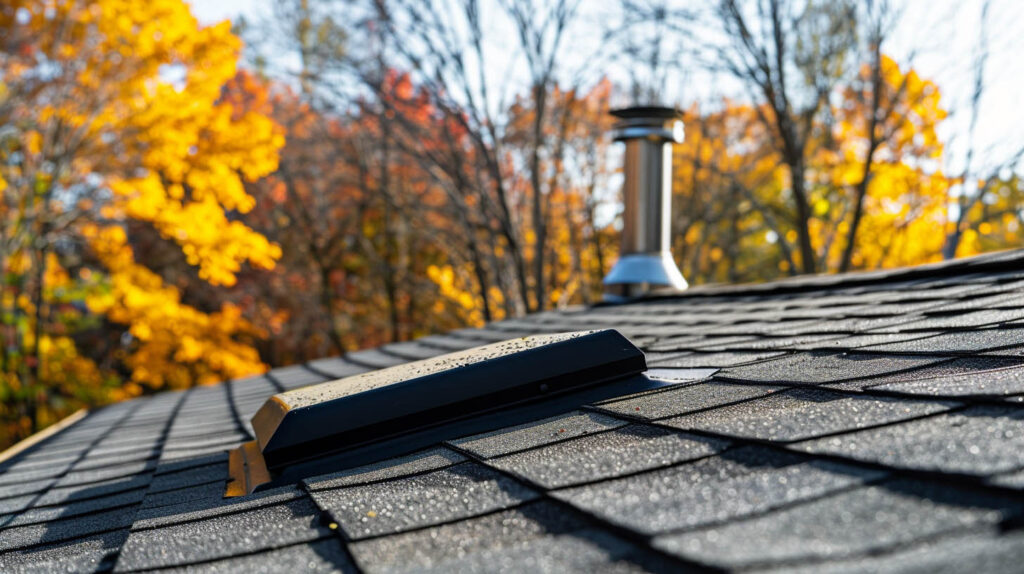
Blocked or Improperly Installed Vents
Blocked or improperly installed vents can severely compromise the airflow needed for adequate attic ventilation. When air cannot circulate effectively, excess heat and moisture become trapped, leading to significant risks such as mold growth and structural damage. Signs of poor roof ventilation often include high indoor humidity levels and noticeable increases in energy bills. Ensuring that intake and exhaust vents are correctly positioned and unobstructed is essential for maintaining the structural integrity of roofing materials and extending the life of your roof.
Hidden Dangers of Inadequate Roof Ventilation
Inadequate roof ventilation creates a breeding ground for significant risks, leading to serious structural issues. Moisture accumulation within a poorly ventilated attic can result in mold growth and mildew, adversely impacting indoor air quality and posing health risks like respiratory issues. Additionally, the formation of ice dams due to excess heat and poor airflow can cause water damage to roofing materials and insulation. These factors not only compromise the roof’s lifespan but can also lead to costly repairs and increased utility costs.
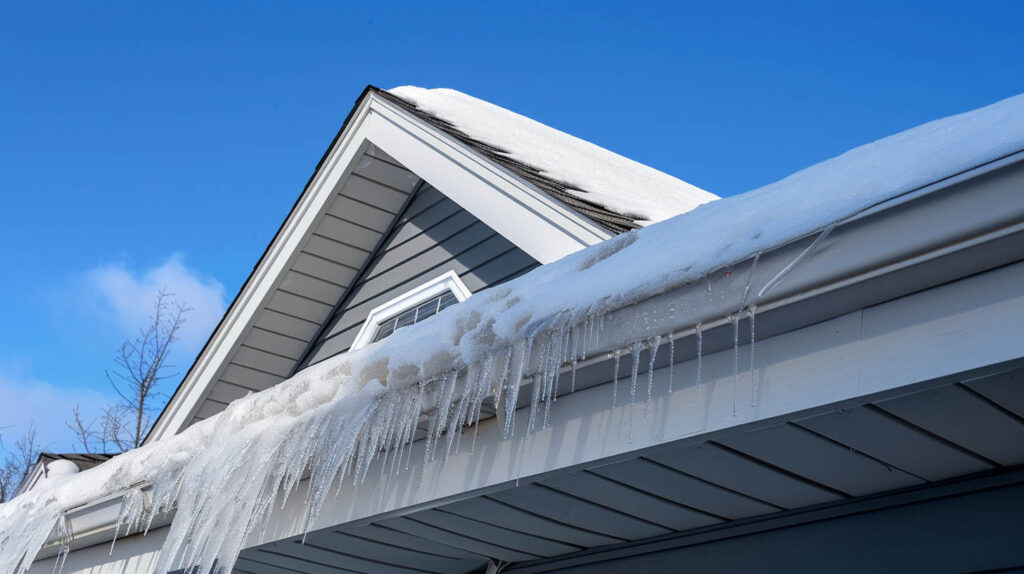
Ice Dam Formation and Resulting Water Damage
Heat escaping from a poorly ventilated attic can lead to the formation of ice dams on the roof. This occurs when warm air causes snow to melt, creating a buildup of water that re-freezes at the eaves. As moisture accumulates, it can seep under shingles and into roofing materials, resulting in structural damage and costly repairs. Homeowners may notice signs of water damage, including stains on ceilings and walls, indicating significant risks to both the roof’s integrity and indoor air quality.
Mold and Mildew Growth from Trapped Moisture
Excess moisture in a poorly ventilated attic creates an ideal environment for mold and mildew growth. This biological activity can lead to serious health risks, including respiratory issues, especially in living spaces where air circulation is compromised. Mold thrives in dark, damp areas, ultimately degrading the structural integrity of roofing materials and insulation. Identifying signs of moisture accumulation early is critical to preventing costly repairs and ensuring good indoor air quality, which is essential for a healthy home environment.
How Poor Ventilation Impacts Your Home and Health
The consequences of inadequate ventilation extend far beyond structural integrity, affecting both living spaces and individual well-being. Poor roof ventilation leads to elevated indoor humidity levels, promoting mold and mildew growth that can compromise indoor air quality. This deterioration often results in respiratory issues and discomfort within the home. Additionally, excess moisture buildup can lead to costly repairs and shorten the lifespan of roofing materials. Ultimately, ensuring proper airflow becomes essential for energy efficiency and maintaining peace of mind.
CALL US (208) 597-0101Increased Energy Bills and Reduced Comfort
Rising energy costs can be attributed to inadequate roof ventilation, as trapped warm air forces HVAC systems to overwork. This struggle not only drains resources but also diminishes comfort levels within your living spaces. As moisture accumulation leads to higher indoor humidity levels, signs of poor ventilation become evident, such as mold growth and discomfort. Ensuring a properly functioning ventilation system with adequate intake and exhaust vents aids in maintaining optimal attic temperature and prolonging the lifespan of your roof while reducing energy bills.
Compromised Indoor Air Quality
Poor ventilation makes the air you breathe bad. Too much humidity inside can cause mold spores and allergens. This can lead to trouble with breathing. When the air does not move, it can start to smell musty. This is not good, and can make your home unhealthy.
SkyRight uses trusted brands like Velux to help fix poor ventilation. They work to bring fresh air back into your home and cut down on exposure to allergens. With proper airflow, stale air does not stick around. This helps create a healthier space for you and your family.
Conclusion
Addressing the hidden dangers associated with inadequate roof ventilation is essential for homeowners in northern climates. By ensuring proper airflow through effective ventilation systems, you safeguard your home’s structural integrity and enhance energy efficiency. Awareness of the signs of poor ventilation, such as excessive heat buildup and moisture accumulation, allows for timely interventions. Investing in adequate attic ventilation not only prolongs your roof’s lifespan but also safeguards your living areas against costly repairs, health risks, and diminished indoor air quality.
Frequently Asked Questions
Can improper ventilation shorten the lifespan of my roofing materials?
Yes, inadequate ventilation can significantly reduce the lifespan of roofing materials. Poor airflow leads to trapped heat and moisture, causing premature wear, increased susceptibility to damage, and the formation of ice dams, all of which ultimately compromise your roof’s integrity and longevity.
How does roof ventilation prevent ice dams in winter?
Roof ventilation helps regulate attic temperatures, preventing warm air from melting snow on the roof. Proper airflow allows this melted snow to drain away rather than refreezing at the eaves, which can create ice dams that cause water damage and structural issues.
Read our blog: What to Expect During a Roof Replacement in Coeur d’Alene