
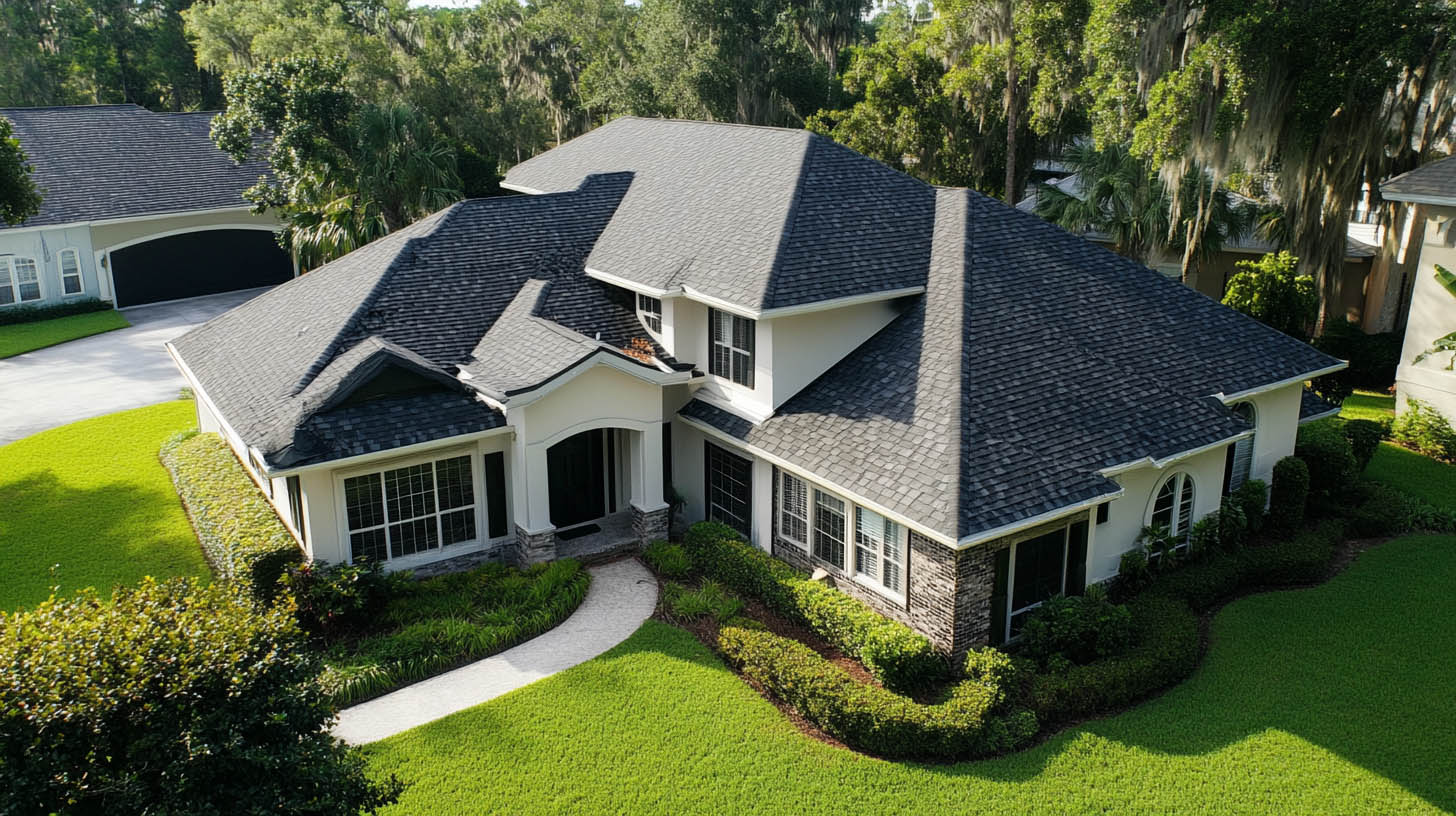
Understanding the key components of a roof is crucial for homeowners to maintain its integrity and longevity. Each part plays a specific role in protecting your home from the elements while ensuring structural stability. At SkyRight, based in Sandpoint, ID, we guide homeowners to make informed decisions about roof care and replacements.
Structural Elements: Foundation of Your Roof
Trusses, Rafters, and Joists
- Trusses: Pre-assembled frames that provide overall roof structure.
- Rafters: Sloped beams supporting roof sheathing and defining roof shape.
- Joists: Horizontal beams stabilizing the structure and forming the ceiling’s foundation.
Decking
- A plywood or OSB layer attached to rafters, creating a base for roofing materials.
Protective Layers: Shielding Against the Elements
Underlayment
- A moisture barrier placed over decking, offering additional protection against rain and snow.
Flashing
- Waterproof material installed around vulnerable areas, such as chimneys and vents, to prevent leaks.
Drip Edge
- Metal flashing along edges to redirect water away from the roof and foundation.
Ventilation and Drainage: Maintaining Roof Health
Attic Vents
- Include ridge, soffit, and gable vents to regulate attic temperature and moisture.
Gutters and Downspouts
- Channels water away from the roof and home’s foundation, preventing damage.
Unique Fact: Proper attic ventilation can extend the lifespan of your roof by 10–15 years by preventing moisture buildup and overheating.
Aesthetic and Functional Features
Shingles and Roofing Material
- Available in asphalt, wood, metal, and slate, offering varied aesthetics and durability.
Soffit and Fascia
- Soffit covers the underside of overhanging eaves, aiding ventilation, while fascia provides a finished look and supports gutters.
Chimneys and Skylights
- Enhance functionality and aesthetics but require proper sealing to avoid water infiltration.
Key Junctions: Ensuring Structural Integrity
Ridge and Hip
- Ridge: The highest point connecting roof slopes.
- Hip: Intersection of two roof sections that slope downward.
Valleys
- V-shaped intersections where two roof slopes meet, often equipped with flashing to prevent leaks.
Why Understanding Roof Components Matters
- Informed Decision-Making: Helps in choosing the right repairs and materials.
- Preventive Maintenance: Identifies small issues before they escalate into costly repairs.
- Clear Communication: Facilitates discussions with roofing professionals.
SkyRight: Expertise You Can Trust
As Bonner County’s #1 rated roofing company in 2023 and an Owens Corning Preferred Contractor, SkyRight delivers exceptional roofing services. Whether you need a comprehensive roof replacement or minor repairs, our team ensures top-notch quality and long-lasting solutions.
FAQs
1. What are the most critical roof components?
Decking, underlayment, flashing, and shingles are essential for structural integrity and weather resistance.
2. How does ventilation affect roof longevity?
Proper ventilation reduces moisture and heat, preventing premature material deterioration.
3. How often should roof components be inspected?
Twice a year, ideally in spring and fall, to address damage promptly.
4. What is the lifespan of roof flashing?
Flashing typically lasts 20–30 years but may need replacement during re-roofing.
5. Can I replace shingles without addressing other components?
While possible, it’s essential to inspect underlying layers to ensure no hidden damage.If you want to read a blog about a timeline overview for roof replacement projects, click here.