
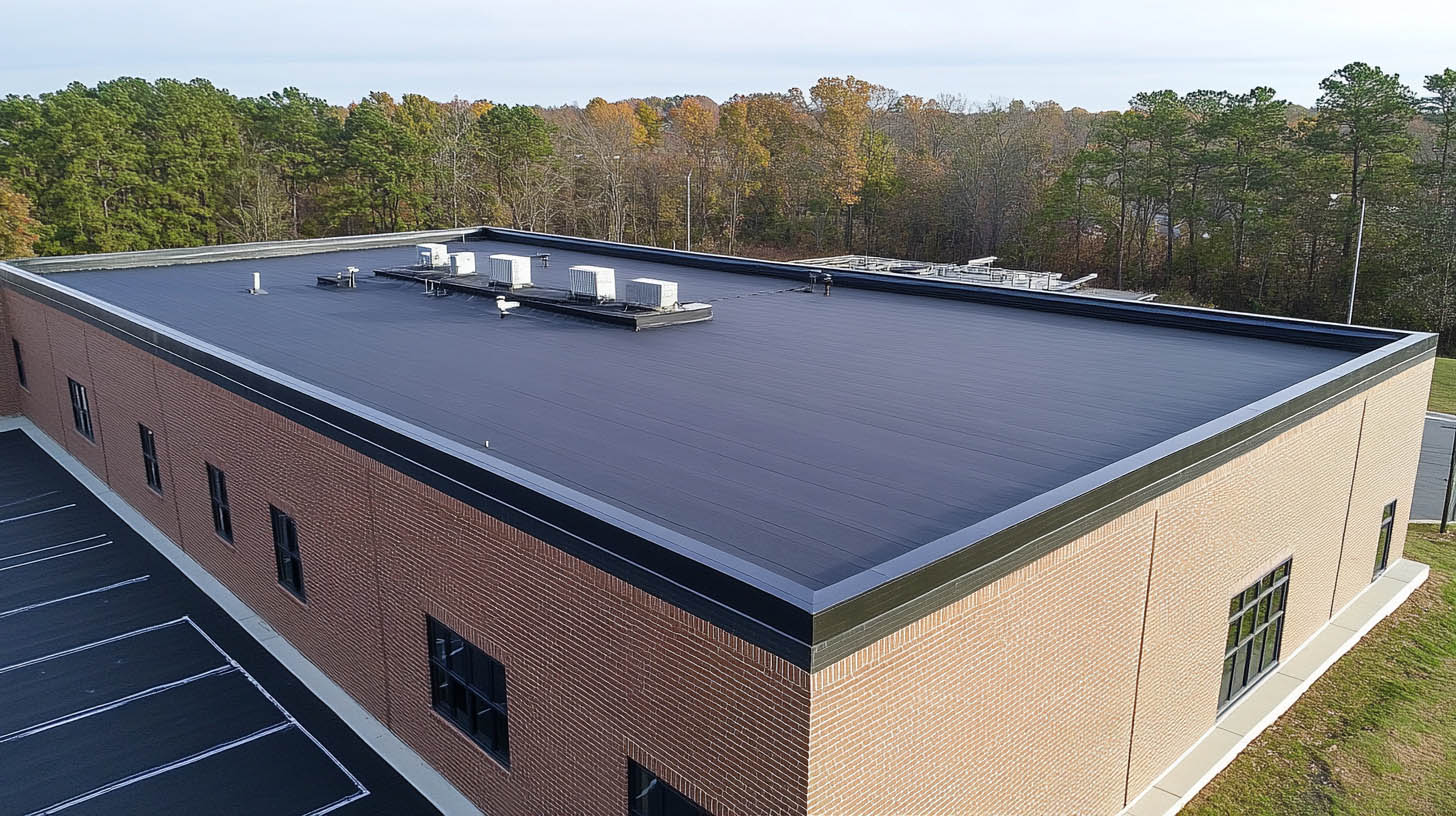
The demand for energy-efficient buildings is growing as businesses and homeowners seek ways to reduce energy costs and carbon emissions. At SkyRight in Coeur d’Alene, ID, we prioritize energy-efficient roofing solutions to help clients enhance building performance while achieving environmental sustainability.
The Importance of Energy-Efficient Roofing
Buildings account for roughly 40% of global energy consumption and one-third of greenhouse gas emissions. Roofs play a critical role in regulating a building’s energy use, with energy-efficient roofs reducing heating and cooling demands through advanced reflective and insulating properties.
Unique Fact: Cool roofs reduce cooling energy costs by 7-15% annually, particularly in warmer climates.
Key Features of Energy-Efficient Roofs
1. High Solar Reflectance
Light-colored or white roofing materials reflect solar energy, minimizing heat absorption. For example:
- Traditional Dark Roofs: Absorb 90% or more of solar heat.
- Cool Roofs: Absorb less than 50%, significantly lowering interior temperatures.
2. Thermal Emittance
High-performance roofing materials release absorbed heat, further reducing cooling demands and enhancing comfort indoors.
3. Long-Term Durability
Modern materials like Polyglass’s Polyfresko® G feature advanced coatings that resist UV degradation, retaining their reflective properties for years.
Measuring Energy Efficiency: Solar Reflectance Index (SRI)
The Solar Reflectance Index (SRI) evaluates a roofing product’s ability to reflect solar heat. SRI scores range from 0 to 100, with higher values indicating better performance.
- Polyfresko® G: Features an impressive initial SRI of 96, ensuring optimal energy efficiency.
Regulatory Standards
Different organizations classify cool roofs based on SRI values:
- ENERGY STAR®: Requires a minimum reflectance of 65 for low-slope roofs.
- LEED Certification: Sets an SRI minimum of 78 for low-slope roofs.
How Energy-Efficient Roofs Reduce Costs
Lower Energy Bills
By reducing heat transfer, cool roofs decrease air conditioning use, leading to significant cost savings.
Operational Longevity
Reflective coatings like Polybrite® reduce wear caused by UV rays, extending roof lifespan and minimizing repair costs.
Environmental Benefits
Energy-efficient roofs reduce carbon footprints by lowering energy demands, contributing to global sustainability goals.
Energy-Efficient Roof Installation with SkyRight
As Bonner County’s #1 Rated Roofing Company for 2023, SkyRight integrates energy-efficient roofing systems tailored to your needs. We specialize in modern materials that meet ENERGY STAR® and LEED certification standards, ensuring compliance with local codes and maximizing savings.
Did you know? Energy-efficient roofing materials can reduce urban heat islands, lowering surrounding temperatures by up to 5°F.
FAQs
Q: What is the lifespan of an energy-efficient roof?
A: With proper maintenance, energy-efficient roofs can last over 20 years, depending on materials and installation quality.
Q: Do cool roofs work in cold climates?
A: Yes, they prevent heat loss during winter when paired with proper insulation, balancing energy efficiency year-round.
Q: Are energy-efficient roofs more expensive?
A: While upfront costs may be higher, long-term savings on energy bills and reduced maintenance outweigh the initial investment.
Q: How do I ensure my roof qualifies for incentives?
A: Consult local building codes and programs like ENERGY STAR® to verify compliance and eligibility for rebates or tax credits.
Q: Can existing roofs be converted to energy-efficient systems?
A: Yes, applying reflective coatings or overlays can enhance the energy efficiency of an existing roof.If you want to read a blog about roof cement versus roof mastics and whether there is a choice, click here.