
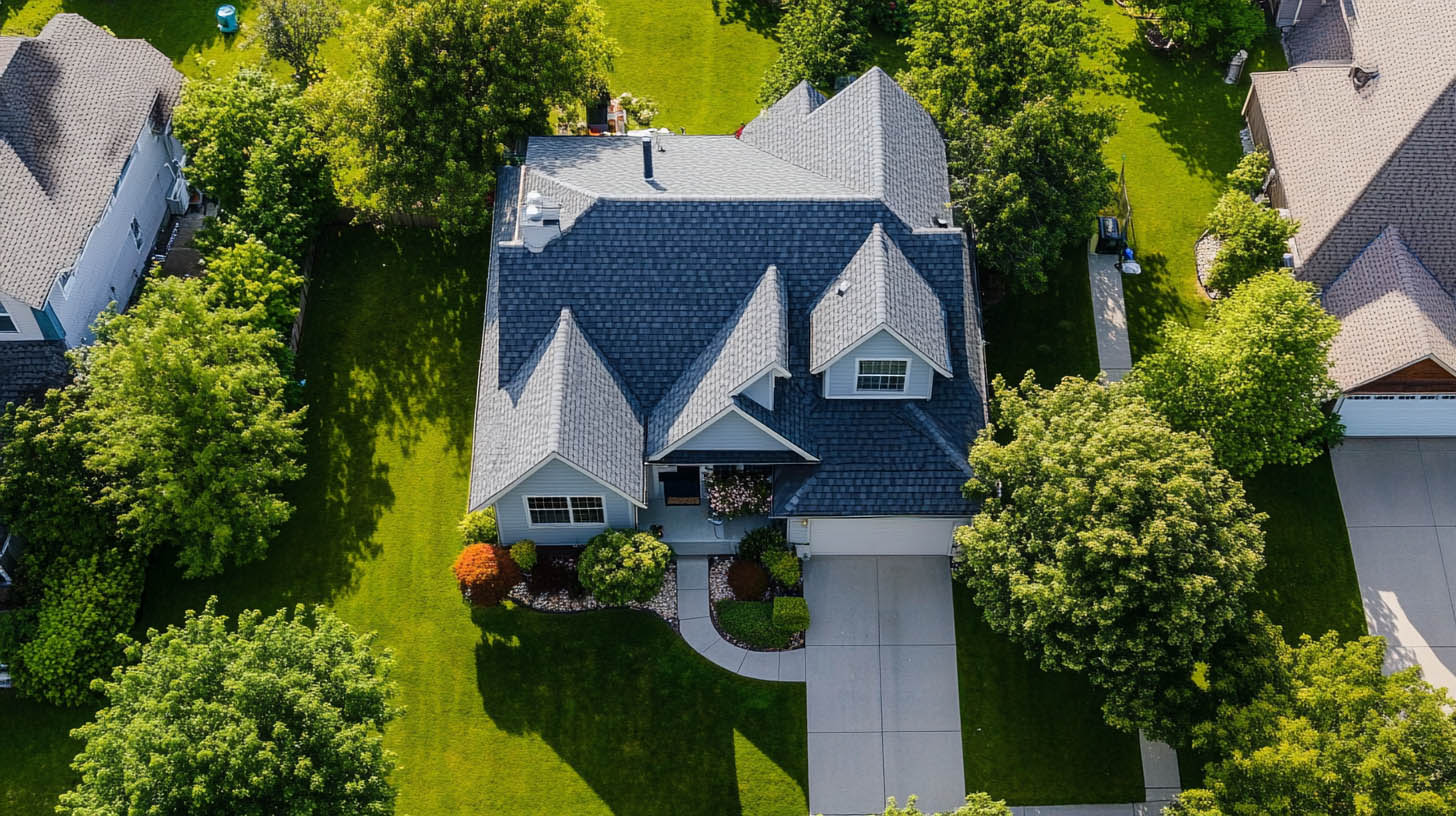
Replacing a roof is a significant investment that requires careful planning and preparation. At SkyRight, based in Sandpoint, ID, we pride ourselves on providing the highest-quality roofing services to homeowners.
This checklist will help you navigate the roof replacement process effectively and ensure the job is done smoothly.
1. Preparing Your Home for Roof Replacement
Clear the Area
Remove outdoor furniture, potted plants, and other items from around the house to provide a clear workspace for the roofing crew. Protect your belongings by covering items in the attic and relocating fragile indoor decor.
Fact: Construction debris is responsible for 50% of all home repair-related damage. Ensuring a clear workspace can significantly reduce these risks.
Coordinate Utility and System Adjustments
- Remove solar panels or satellite dishes with the help of professional service providers.
- Trim overhanging tree branches to prevent interference with the roofing process.
- Arrange for pets and family members to stay elsewhere during the project to avoid disruption.
Parking Considerations
Park vehicles away from the home to protect them from falling debris and allow clear access for contractors.
2. Choosing the Right Roofing Materials
The roofing material you select determines the durability, cost, and aesthetic appeal of your new roof. Popular options include:
- Asphalt shingles: Affordable and widely used.
- Metal roofing: Durable and energy-efficient.
- Tile roofing: Ideal for specific architectural styles and climates.
3. Working with a Reliable Contractor
Verify Credentials
Ensure the contractor has proper licensing, insurance, and certifications, such as Owens Corning Preferred Contractor.
Review Warranties and Contracts
- Check for warranties on both materials and labor.
- Understand the payment terms and timeline for the project.
Plan Disposal and Cleanup
Discuss how old roofing materials will be removed and confirm post-project cleanup procedures.
4. During the Roof Replacement Process
Monitor Progress
Stay informed about each stage of the project. Address any concerns promptly with the contractor to avoid miscommunication or delays.
Inspect for Damage
Ask your contractor to evaluate the decking beneath the old roofing for rot or other structural issues. Address these problems before new materials are installed.
5. Completing the Project
Final Inspection
Conduct a thorough walkthrough to ensure:
- The roof meets agreed-upon specifications.
- Gutters and other structural elements are intact.
Verify Cleanup
Ensure all debris and materials are cleared from your property. A clean site is a sign of a professional contractor.
Understand Post-Installation Maintenance
Discuss maintenance tips to extend the roof’s lifespan, such as regular inspections and gutter cleaning.
Achieving Peace of Mind with SkyRight
As a premier roofing contractor, SkyRight is committed to delivering top-tier service. With distinctions such as Owens Corning Preferred Contractor and being Bonner County’s #1 rated roofing company in 2023, we guarantee exceptional workmanship. Trust us to provide solutions that enhance your home’s safety and value.
Frequently Asked Questions (FAQs)
Q1: How long does a roof replacement take?
A: The duration depends on the roof’s size and complexity but typically ranges from 2–5 days for standard residential projects.
Q2: Can I live at home during the replacement?
A: While it’s possible, the noise and debris may be disruptive. Consider alternative accommodations, especially if you have pets or small children.
Q3: What should I do if unexpected issues arise during the replacement?
A: Communicate immediately with your contractor to address any structural or material concerns.
Q4: How often should I replace my roof?
A: Most roofs need replacement every 20–30 years, depending on the material and maintenance.
Q5: Is a full tear-off necessary, or can new materials be layered?
A: While layering is an option, a full tear-off ensures any hidden issues are addressed, leading to a more durable installation.If you want to read a blog about the top three most common roofing issues, click here.