
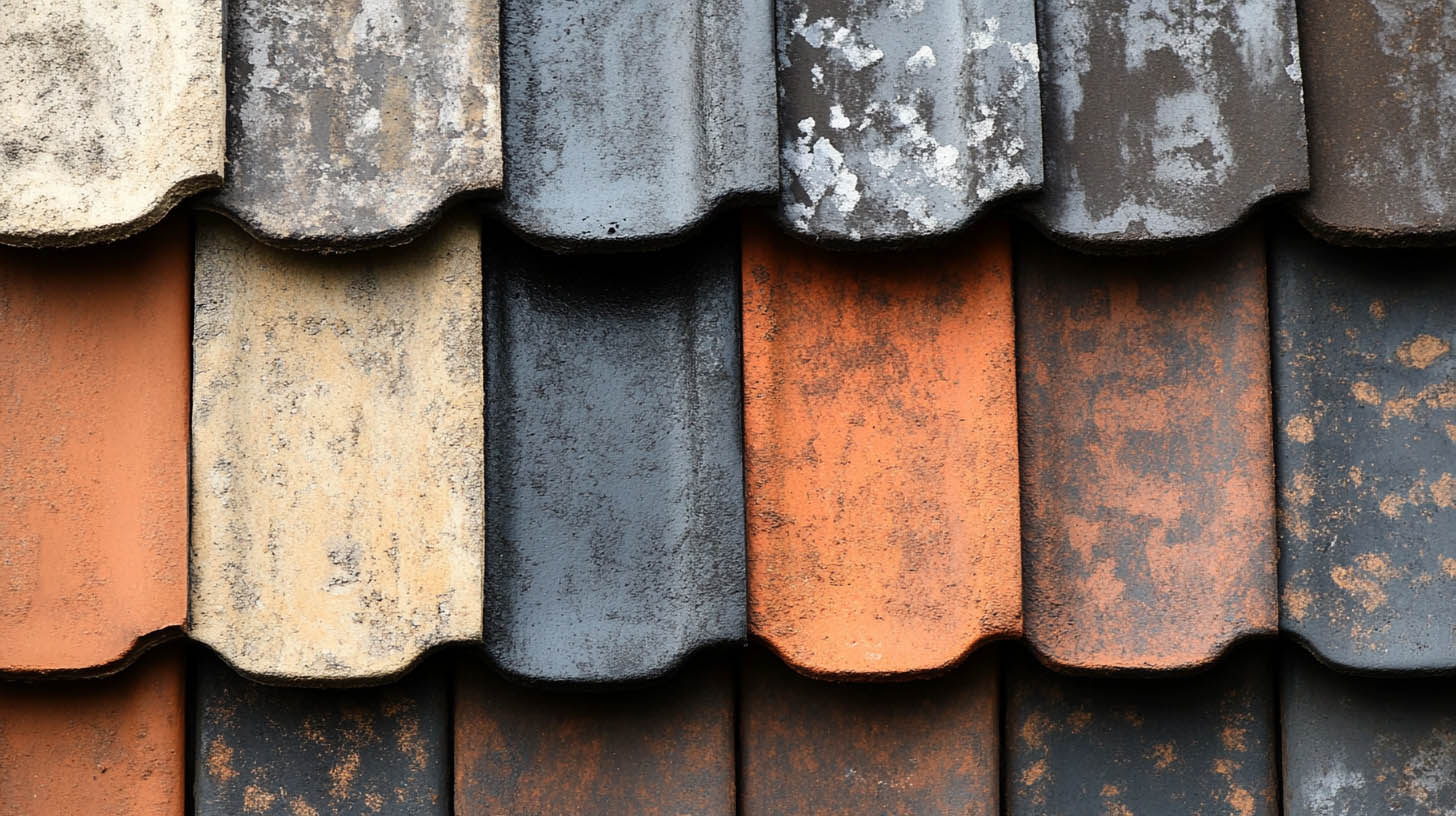
When selecting the ideal roofing material, homeowners often debate between concrete shingles and clay shingles. Both options are known for their durability, environmental friendliness, and aesthetic appeal. If you’re considering an upgrade, SkyRight in Sandpoint, ID is your trusted roofing partner to guide you through this decision.
Understanding the Composition
Both concrete and clay shingles are manufactured under extreme pressure, time, and heat, creating durable tiles suited to withstand harsh sunlight. However, they differ significantly in water absorption:
- Concrete shingles absorb more water than clay, potentially increasing the roof’s weight during storms and making them susceptible to mildew if untreated.
- Clay shingles, while less water-absorbent, are slightly more delicate in freeze-thaw conditions.
These characteristics make both options better suited for sunny regions rather than areas prone to freezing or excessive rainfall.
Advantages and Disadvantages
Benefits of Concrete and Clay Shingles
- Longevity: Both materials can last 50–100 years, far surpassing asphalt shingles.
- Insect Resistance: Their hard surfaces naturally deter pests.
- Eco-Friendly: Made from natural materials, these tiles have minimal environmental impact.
Drawbacks
- Cost: Clay tiles are approximately 30% more expensive than concrete shingles, with an added cost of $500 per square foot.
- Weight: Clay tiles weigh 100 pounds less per square foot, which can ease the structural burden.
- Installation Challenges: Both types are heavy and require skilled professionals for proper installation.
Design Options for Homeowners
Concrete and clay shingles are available in various styles to suit different architectural tastes:
- Spanish Tiles: Iconic curved tiles ideal for regions with occasional heavy rain.
- Scandia Tiles: Similar to Spanish tiles but inverted for a sharp, distinct profile.
- Double Roman Tiles: Feature frequent water troughs, making them efficient for wetter climates.
- Flat Shake Tiles: A contemporary option that performs better in light rainfall.
Other versatile choices include barrel, French, or Riviera tiles, providing homeowners with an extensive palette of roofing aesthetics.
Choosing the Right Tile for Your Climate
While these shingles shine in durability and beauty, they may not suit every climate. Concrete and clay tiles are vulnerable to cracking in cold, damp environments, making alternative roofing materials more appropriate for regions like the Inland Northwest.
Why Choose SkyRight?
As your premier roofing contractor, SkyRight stands out with top-notch service and exceptional craftsmanship. Our team is proud to hold prestigious certifications such as:
- Owens Corning Preferred Contractor
- Rated the #1 Roofing Company in Bonner County for 2023
From roofing installations to repairs, we ensure your roof is built to last and withstand the test of time.
Unique Insight: Did You Know?
Clay tiles date back over 5,000 years, originating in China and used in ancient Greek and Roman architecture. Their longevity and resilience are time-tested across centuries.
FAQs
1. Which is more durable, concrete or clay shingles?
Both materials are highly durable, but clay shingles have better natural resistance to water absorption.
2. Are concrete shingles more affordable than clay shingles?
Yes, concrete shingles are typically 30% cheaper than clay tiles.
3. Can these shingles be installed in snowy climates?
Due to their weight and water absorption properties, these shingles are less suited for cold, damp climates.
4. How long do concrete and clay roofs last?
With proper care, they can last 50–100 years, much longer than traditional asphalt shingles.
5. What styles of shingles work best for water drainage?
Double Roman tiles are designed with frequent water troughs, making them excellent for wet regions.
CONCLUSION
Selecting between concrete and clay shingles involves weighing cost, durability, and climate suitability. For expert advice and high-quality roofing solutions, contact SkyRight today. Make an informed choice for a roof that stands the test of time.If you want to read a blog about how to plan for roof replacement, click here.