
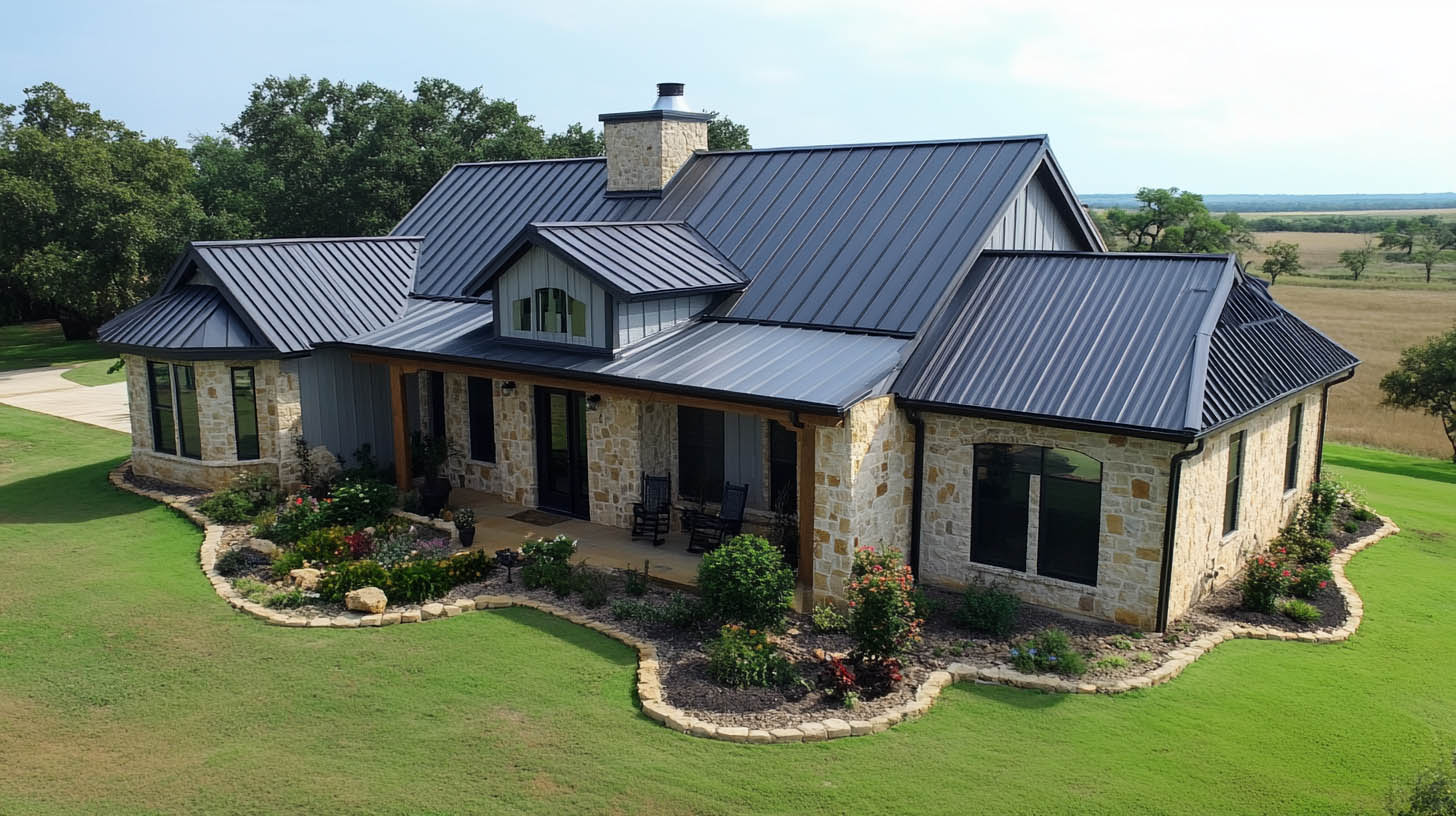
SkyRight in Coeur d’Alene, ID specializes in high-quality commercial metal roofing systems, an enduring and versatile option for commercial structures. This guide explores the advantages, types, and best practices for installing metal roofs in varying conditions.
1. Advantages of Metal Roofing Systems
- Durability: Metal roofs last 40–80 years with minimal maintenance.
- Weather Resistance: Ideal for extreme climates, metal roofs withstand snow, rain, and heat.
- Cost Efficiency Over Time: Despite high initial costs (starting at $8 per square foot), their longevity offers comparable total cost of ownership to TPO or PVC systems.
2. Key Installation Considerations
- Ventilation: Proper ventilation prevents overheating and condensation beneath metal roofs.
- Slope Requirements: Metal roofs are unsuitable for flat surfaces but perform well on sloped structures.
- Material Options: Choices include steel, aluminum, copper, and weathering steel, each suited for specific environments.
3. Retrofitting with Metal Roofing
- TPO Over Metal Roof: This retrofit fills metal roof flutes with insulation before adding TPO membrane, creating a flat, insulated surface.
- Steep Slope Metal Overlays: Installing metal over existing flat roofs avoids costly tear-offs, reducing project expenses.
4. Customization and Aesthetic Options
- Colors and Finishes: A wide range of colors and finishes, including Galvalume®, enhances architectural designs.
- Accessories: Add chimney pots, snow retention systems, and decorative elements to improve functionality and appearance.
Why SkyRight Stands Out
SkyRight excels in commercial metal roofing through expertise, advanced techniques, and a commitment to quality. Recognized as an Owens Corning Preferred Contractor and Bonner County’s #1-rated roofing company in 2023, we deliver tailored solutions for all commercial roofing needs.
Unique Fact
Metal roofs can reflect up to 70% of solar radiation, significantly reducing cooling costs in hot climates.
FAQs
What types of metal are most common for commercial roofs?
Steel is the most commonly used metal for commercial roofs due to its cost-effectiveness, strength, and ability to withstand harsh conditions. Copper, while more expensive, offers exceptional durability, longevity, and a distinctive aesthetic appeal. It’s often used in high-end commercial properties where appearance and long-term performance are priorities. Other options, such as aluminum, are also popular for their light weight and corrosion resistance.
How does roof slope affect metal roofing?
The slope of a roof significantly influences the installation and cost of a metal roof. Steep slopes require more complex installation processes, which can increase labor costs and require additional materials for secure attachment. On the other hand, low slopes or flat roofs are easier to work with and generally result in lower installation costs. However, low-slope roofs may require specialized metal roofing systems designed to handle water drainage efficiently.
Can metal roofing be retrofitted over existing roofs?
Yes, metal roofing can be installed directly over existing roofing systems, such as flat or membrane roofs, without the need for costly and time-consuming removal. This overlay method not only saves on disposal costs but also provides an extra layer of protection against the elements. The existing roof’s structure should be evaluated to ensure it can support the added weight of the new metal roof and maintain its structural integrity.
Are metal roofs energy-efficient?
Yes, metal roofs are highly energy-efficient due to their reflective properties. They reflect a significant portion of solar radiation, reducing heat absorption and keeping buildings cooler in hot climates. This reflects heat away from the building, reducing the need for air conditioning and lowering energy bills. Additionally, metal roofs emit absorbed heat, preventing it from transferring into the building during colder months, contributing to year-round energy savings.
What are the main challenges of installing metal roofs?
The installation of metal roofs can present several challenges. These include the need for accurate specifications to ensure proper installation, choosing the right materials for the specific project, and addressing environmental factors like wind, snow, and extreme temperatures that can affect both installation and long-term performance. Proper preparation and skilled installation are crucial to achieving a durable, secure metal roof that meets building codes and provides lasting protection against the elements.If you want to read a blog about the public works project for USPS roof replacement, click here.