
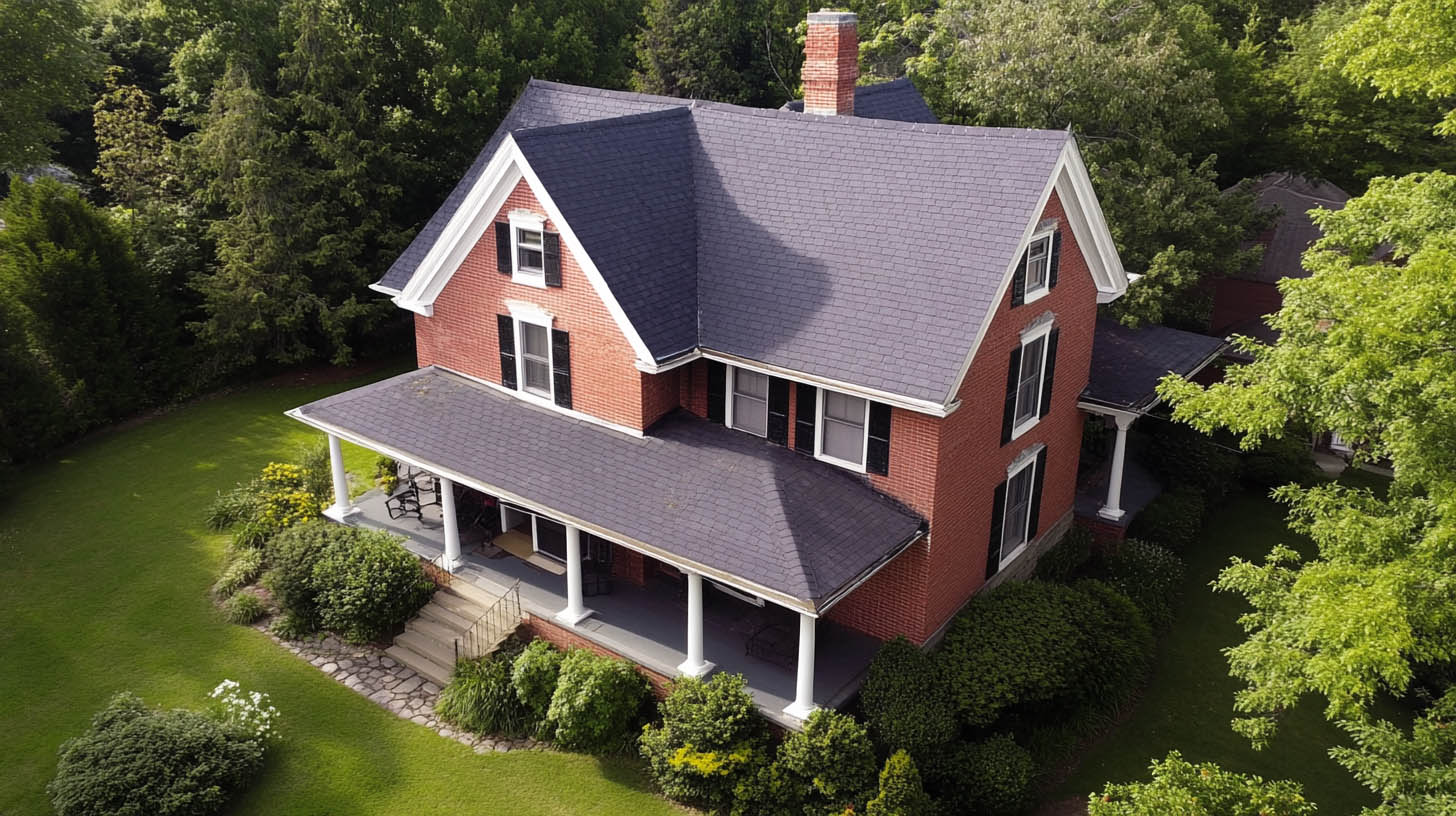
The evolution of roofing has been shaped by centuries of innovation, adapting to changing architectural styles, materials, and environmental needs. At SkyRight, we value this rich history, blending time-tested techniques with modern advancements to provide top-notch roofing solutions in Sandpoint, ID.
Early Roofing Materials and Techniques
1. The Ancient Era: The Birth of Roofing
From thatched roofs made of straw to clay tiles used in ancient Greece and Rome, early roofing solutions prioritized accessibility and insulation. Clay tiles were particularly durable and became a hallmark of Mediterranean architecture.
Interesting Fact: Clay roofing tiles date back to 10,000 BCE, making them one of the oldest known roofing materials.
2. The Middle Ages: Gothic Roofing Innovations
The Middle Ages saw the rise of slate roofs, a durable and fireproof material. Slate became widely used in European castles and churches, showcasing its durability and aesthetic appeal.
3. Industrial Revolution: Modernization of Materials
The 19th century introduced asphalt shingles, making roofing more affordable and accessible. Metal roofing also gained popularity for its strength and longevity, marking a shift toward modern materials.
Modern Roofing Materials and Trends
- Asphalt Shingles: Affordable, lightweight, and versatile, asphalt shingles are the most common roofing material, providing reliable protection at a lower cost. Their wide variety of colors and styles ensures they can complement any home design while offering decent durability and weather resistance. Regular maintenance can extend their lifespan, making them a practical choice for many homeowners.
- Metal Roofs: Known for their incredible durability, metal roofs are long-lasting, fire-resistant, and eco-friendly. They can withstand extreme weather conditions such as high winds, heavy rain, and snow. Metal roofs also reflect sunlight, contributing to lower energy bills by reducing cooling costs in warmer climates. They are an excellent choice for homes looking for energy efficiency and long-term investment protection.
- Green Roofs: A sustainable and eco-conscious roofing option, green roofs feature a layer of vegetation planted over a waterproof membrane. These roofs provide natural insulation, reducing heating and cooling costs, and help manage stormwater by absorbing rainwater. Green roofs also improve air quality and offer a unique, visually appealing design element, making them a great choice for those looking to integrate nature with functionality.
SkyRight: Blending History and Innovation
As an Owens Corning Preferred Contractor and Bonner County’s #1 rated roofing company in 2023, SkyRight continues to embrace the lessons of roofing history while leveraging cutting-edge technologies to meet contemporary needs.
FAQs
1. Why were thatched roofs common in ancient times?
Thatched roofs were made from locally available materials like straw and reeds, offering insulation and cost-effectiveness.
2. When did asphalt shingles become widely used?
Asphalt shingles gained popularity in the early 20th century due to their affordability and ease of installation.
3. What are the benefits of clay tiles?
Clay tiles are durable, fire-resistant, and provide excellent thermal insulation, making them ideal for hot climates.
4. How has roofing evolved to address environmental concerns?
Modern roofing includes green roofs, solar panels, and recycled materials to reduce environmental impact.
5. Can historical roofing materials be used today?
Yes, materials like slate and clay tiles remain popular for their durability and classic appeal.If you want to read a blog about top summer roofing material recommendations, click here.