

The beautiful trees across Coeur d’Alene, ID, offer both advantages and disadvantages for your home’s roof. While tree coverage provides natural protection from harsh weather elements, it can also pose significant risks if not managed correctly, such as falling branches or debris accumulation. Understanding this balance is key to effective roof maintenance and safeguarding your property. As a leading local roofing company, SkyRight Roofing and Gutters is here to guide you through protecting your investment from tree-related issues, ensuring your roof remains in excellent condition.
Benefits of Tree Coverage for Your Roof in Coeur d’Alene, ID
Mature trees around your property in Coeur d’Alene do more than just improve curb appeal. They serve as a natural shield for your roof, absorbing the impact of harsh weather and extending the lifespan of your roofing materials. This protective barrier can save you money on repairs and energy bills over time. Properly positioned trees offer a first line of defense against the elements. From blocking damaging UV rays to buffering high winds, the benefits are substantial. We will explore how this natural tree coverage helps with sun protection, seasonal weather, and overall energy efficiency for your home.
Contact UsHow Trees Shield Roofs from Sun Damage
Direct sunlight exposes your roof to UV rays that break down materials and shorten its lifespan. Mature trees provide natural shade, blocking UV radiation and preserving shingle integrity and color. Shade also cools your roof, reducing heat absorption in summer. This lowers cooling costs, improves energy efficiency, and minimizes thermal stress on materials like asphalt shingles—preventing cracking and deterioration. Tree shade is a simple way to extend your roof’s life and boost performance.
Seasonal Protection Against Weather Elements
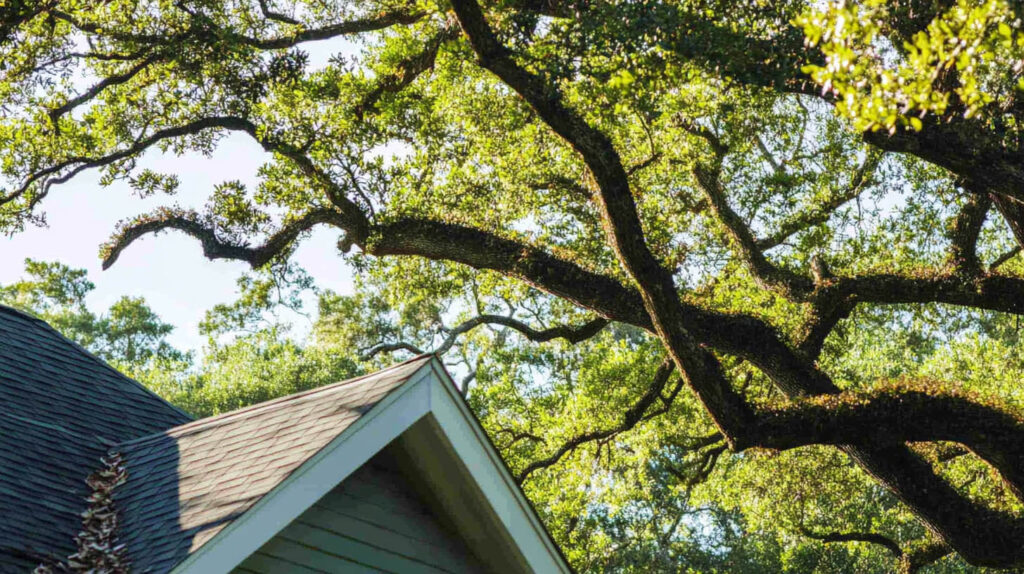
Large trees provide your home’s first line of defense during storms by absorbing and slowing high winds, reducing stress on your roof and preventing shingles from being lifted or torn off. They also soften heavy rain and hail, catching precipitation in their branches to reduce erosion and noise inside your home. While unmaintained limbs can be hazardous, a healthy tree offers more protection than risk in typical weather. It shields your roof from wind, rain, and hail, helping preserve its structural integrity through seasonal storms.
Environmental and Energy Efficiency Advantages
Tree coverage improves energy efficiency by providing shade that lowers home temperatures and reduces air conditioning use, leading to lower utility bills and a more comfortable living space. A single healthy tree can cool as much as several air conditioners running for hours. Strategic planting also extends roof life; materials like Owens Corning and CertainTeed last longer when shielded from thermal stress. In addition to energy savings, trees boost curb appeal and support a healthier environment. For Coeur d’Alene homeowners, well-maintained trees add practical value and increase property worth.
Risks Tree Coverage Poses to Roofs
Despite their benefits, trees can also cause serious roof damage if they are not properly maintained. Falling branches, debris accumulation, and excessive moisture create a trio of threats that can compromise your roof’s integrity. Ignoring these risks can lead to costly repairs and premature roof replacement. From the physical damage caused by overhanging branches to the slow decay fueled by moisture retention and mold growth, the potential for tree damage is real. Understanding these specific risks is the first step toward creating a safe and effective maintenance plan for your property.
Dangers of Overhanging Branches
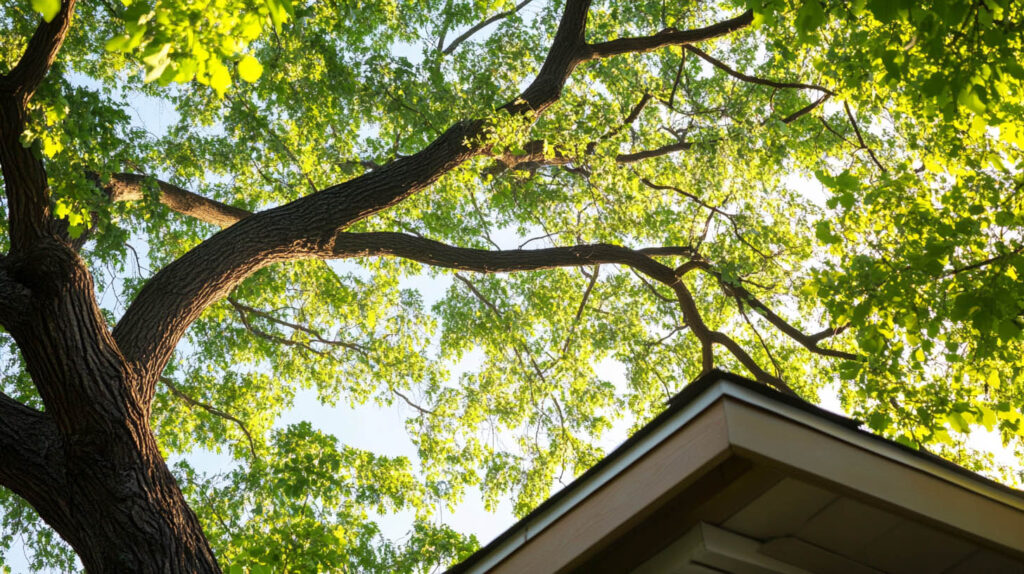
Overhanging branches can damage your roof by rubbing against shingles and removing protective granules, which exposes the asphalt layer to water and UV rays. This increases the risk of leaks and deterioration. Even small branches cause wear over time, while large limbs can break during storms and puncture the roof, leading to structural damage. Branches also give pests like squirrels and raccoons easy access to your roof, where they may chew materials or nest in your attic. Regular trimming is essential to prevent these problems and maintain your roof’s integrity.
Impact of Falling Leaves and Debris
Leaves and debris on your roof can significantly shorten its lifespan by trapping moisture, fostering mold growth, and causing decay. Without regular inspections and maintenance, roofs become increasingly vulnerable to structural damage—especially during heavy rain events. Neglecting essential tasks like tree trimming and gutter cleaning accelerates roof aging, while the added weight of fallen leaves further threatens durability. Keeping your roof clear of debris not only extends its life but also provides invaluable peace of mind for homeowners.
Moisture Retention and Mold Issues
While shade blocks UV rays, too much traps moisture. Constant dampness under shingles fosters mold, wood rot, moss, algae, and fungi. Moss is especially damaging—it lifts shingles and causes leaks. Algae leaves dark streaks and harms asphalt shingle fillers. If you notice stains, green patches, or a persistently wet roof, excess shade may be causing damage. Trapped moisture weakens roofing materials and can lead to major structural issues without professional attention.
Ideal Tree Placement for Roofing Safety
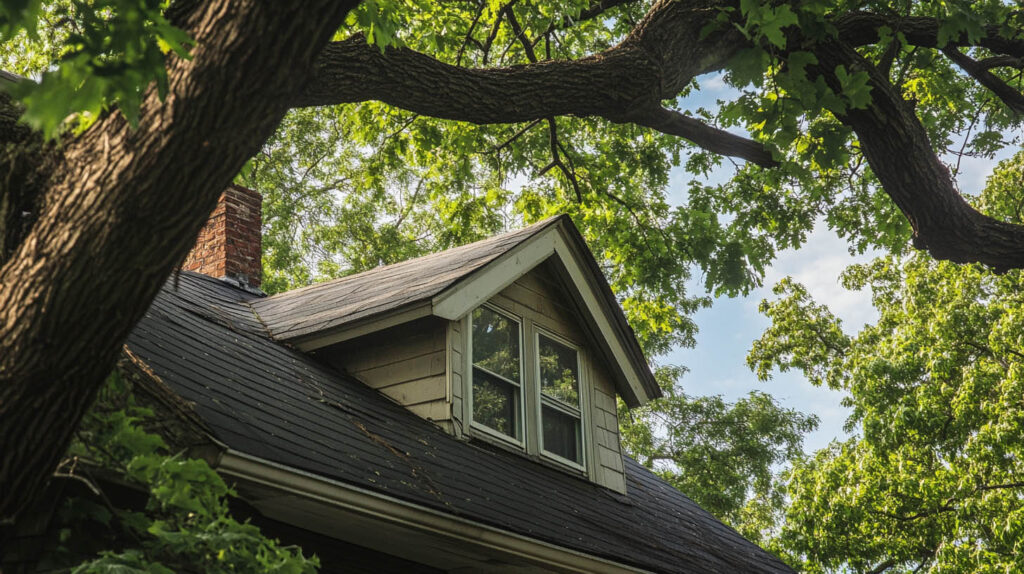
Strategic tree placement is a proactive way to enjoy the benefits of trees without risking your roof. Planting new trees a safe distance away from your home prevents future problems with overhanging branches and falling debris. It also helps protect your foundation from invasive tree roots. Considering a tree’s mature size is crucial when planning your landscape. Proper tree placement from the start is much easier than dealing with possible damage later on. This forethought is a key part of long-term tree maintenance and home protection, ensuring a harmonious relationship between your landscape and your house.
Recommended Distance Between Trees and Roof
Keeping trees at least 6 to 10 feet from your roof is essential for its longevity and structural integrity. This spacing allows airflow, reduces debris buildup, and lowers the risk of branches damaging your roof during storms. It also prevents moisture retention from trapped organic matter. Following these tree maintenance guidelines can significantly reduce roof damage and repair costs. Consult tree and roofing professionals for advice tailored to your specific environment and tree species, ensuring your roof stays secure year-round.
Identifying Signs of Tree-Related Roof Problems
Identifying tree-related roof issues is vital for roof maintenance. Check for debris like leaves or branches, especially after storms, as buildup can trap moisture and cause mold, reducing your roof’s lifespan and energy efficiency. Inspect your roof regularly and look for signs such as sagging sections or leaks, which may result from overhanging branches. Monitor nearby trees for disease, since unhealthy trees are more likely to drop limbs. Proactive tree care and consulting a roofing expert can help prevent major problems and keep your roof secure.
Prevention and Maintenance Strategies from SkyRight Roofing and Gutters
At SkyRight Roofing and Gutters, we believe proactive measures are the best defense against tree-related roof damage. A consistent tree maintenance schedule is just as important as regular roof maintenance. By taking a few simple steps, you can protect your home and avoid expensive repairs down the road. As a trusted local roofing contractor and Owens Corning Preferred Contractor, our team can help you implement effective strategies. From proper trimming techniques to choosing the right roofing materials, we have the expertise to keep your roof safe while you enjoy the beauty of your surrounding landscape.
Safe Tree Trimming Methods
Regular tree trimming is crucial for protecting your roof. Removing small branches that overhang your roof reduces the risk of damage from falling limbs during storms or high winds. Regular canopy inspections help catch disease early, preventing moisture buildup and mold. Hiring professional tree services ensures safe removal of larger limbs and maintains a proper distance between trees and your roof. This preserves your home’s protection, improves energy efficiency, and extends your roof’s lifespan.
CALL US (208) 597-0101What’s Next
In conclusion, understanding the dual impact of tree coverage is crucial for homeowners in Coeur d’Alene, ID. Trees can protect your roof from sun and weather, but overhanging branches and trapped moisture may cause damage. Regular maintenance—like safe tree trimming and choosing the right roofing materials—helps you enjoy tree benefits while reducing risks. SkyRight Roofing and Gutters is here to keep your roof safe and attractive. Contact our expert team for help.
Read our blog: Should You Schedule a Professional Roof Inspection After Extreme Temperature Swings?
Frequently Asked Questions
What should I do if a branch falls on my roof in Coeur d’Alene, ID?
First, ensure everyone is safe and avoid the damaged area. Then, document the roof damage with photos for your insurance company and call a trusted roofing contractor like SkyRight Roofing and Gutters immediately to assess the situation and perform necessary roof repairs.
Can tree debris affect gutter performance and roof awards?
Absolutely. Tree debris is a leading cause of clogged gutters, which can lead to water backing up and damaging your roof, fascia, and foundation. Installing high-quality gutter guards, like those from Alu Rex, is an essential part of roof maintenance to prevent this.