

Your roof is your home’s first line of defense, but extreme temperature swings can weaken it over time. The rapid shift from intense heat to freezing cold puts immense stress on your entire roofing system, often causing roof damage that isn’t visible from the ground. Scheduling a professional roof inspection with SkyRight Roofing and Gutters is the most effective way to identify these hidden issues and protect your home from potentially expensive repairs down the road.
The Importance of Roof Inspections
Extreme temperature swings increase the risk of roof damage by causing roofing materials to expand and contract, leading to cracks, splits, and weakened seals. Without timely inspections, these issues can let water in and damage your home’s structure. Proactive inspections after temperature changes help extend your roof’s lifespan by catching minor problems early before they become major repairs or require replacement. A professional inspection ensures your roof stays in good condition, protecting your family and investment for years to come.
Contact UsHow Sandpoint, Idaho’s Climate Affects Your Roof
Sandpoint, Idaho’s climate creates roofing challenges. Hot summers and snowy winters cause temperature swings that stress materials, leading to faster wear without regular inspections. Our inspection checklists are customized for each property. For homes, we focus on shingles, flashing, and attic ventilation. For commercial roofs—often flat with complex HVAC—we check membranes, drainage, and structural integrity. Seasonal changes accelerate roof aging: flashing warps, seals crack, and shingles become brittle. Without routine inspections, small issues can quickly lead to leaks or structural damage. Understanding Sandpoint’s climate is essential for maintaining your roof and preventing costly repairs.
Why Temperature Extremes Create Roofing Challenges
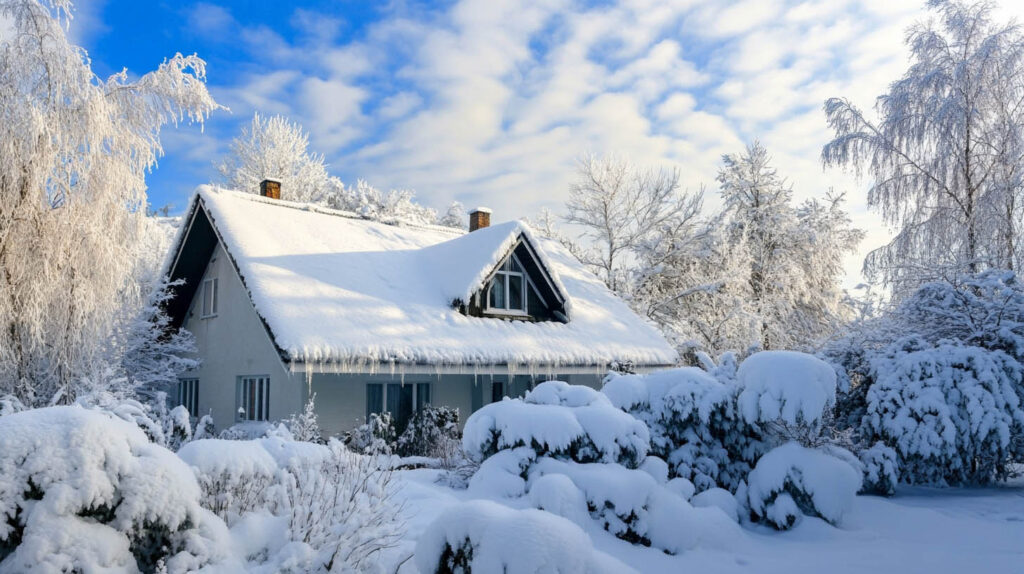
High temperatures make roofing materials expand; cold causes them to contract. Rapid temperature changes create thermal shock, a leading cause of roof damage. Shingles can crack, metal panels may loosen, and protective layers weaken—allowing moisture in. Each material reacts differently: asphalt shingles lose granules or become brittle, wood shakes split or warp, and metal roofs may develop loose fasteners. This movement weakens the roof and leads to leaks or structural issues. Thermal stress also affects seals around vents, chimneys, and skylights; sealant can harden, crack, or detach, breaking the watertight barrier.
The Value of Local Roofing Experts Like SkyRight Roofing and Gutters
A professional roof inspection reveals issues DIY checks miss. Our trained technicians find hidden wear, weak spots, and compromised seals—helping you avoid costly repairs. As a Sandpoint, ID contractor, we know local weather challenges and check for post-winter or summer damage. We inspect your roof and attic for moisture and ventilation problems, giving you a clear overview of your roof’s condition. With SkyRight Roofing and Gutters, you get honest assessments, detailed reports, and only necessary repair recommendations. Trust the pros to protect your home—skip the risks of DIY inspections.
Common Types of Roof Damage Caused by Temperature Swings
Temperature swings cause roofs to expand and contract, leading to damage that often starts small but can quickly become expensive if ignored. Issues like cracked shingles and compromised seals aren’t always visible from the ground, making it crucial for homeowners to understand the warning signs. Weather events such as high winds or heavy snow can worsen these problems, turning minor weaknesses into major failures. Storm damage exposes your home to leaks, water damage, and structural issues. Knowing what to look for helps you spot trouble early and take action before it gets worse.
Issues from Rapid Heating and Cooling
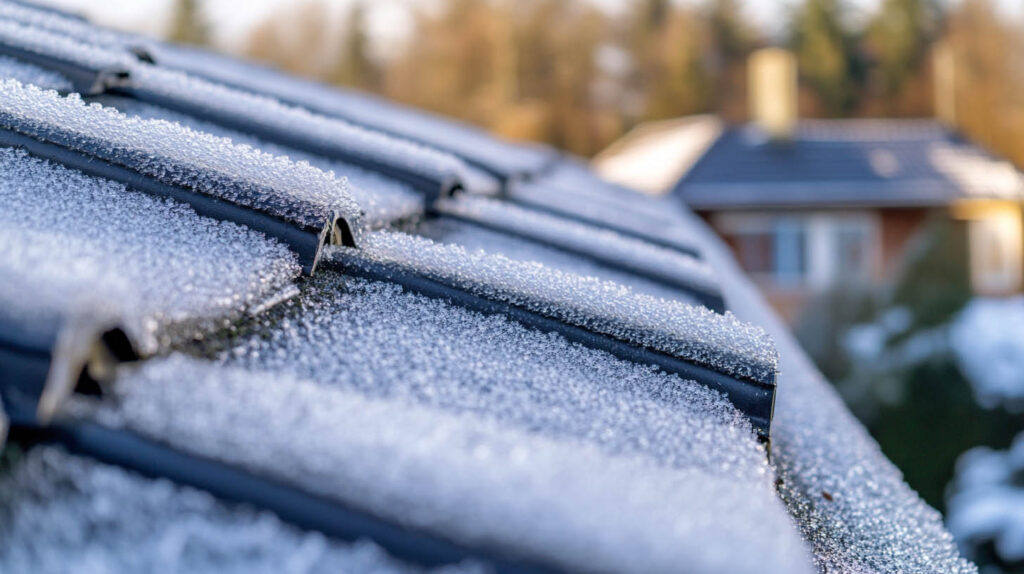
Rapid heating and cooling can compromise a roof’s integrity. Temperature swings cause roofing materials to expand and contract, leading to thermal shock and weakened areas that invite water intrusion. Common signs include loose shingles and granule loss. These rapid changes can also worsen existing issues like poor attic ventilation, allowing heat and moisture buildup that promotes mold growth and structural damage. Homeowners should inspect their roofs after extreme weather to catch problems early. Prompt repairs extend the roof’s lifespan and help avoid expensive fixes later.
Damage Linked to Winter Freezes and Thaw Cycles
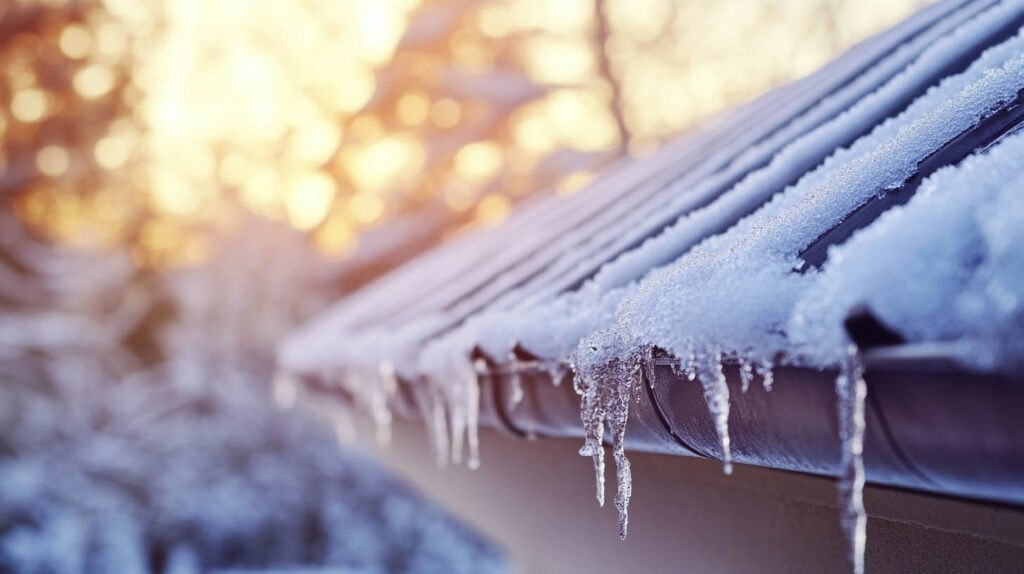
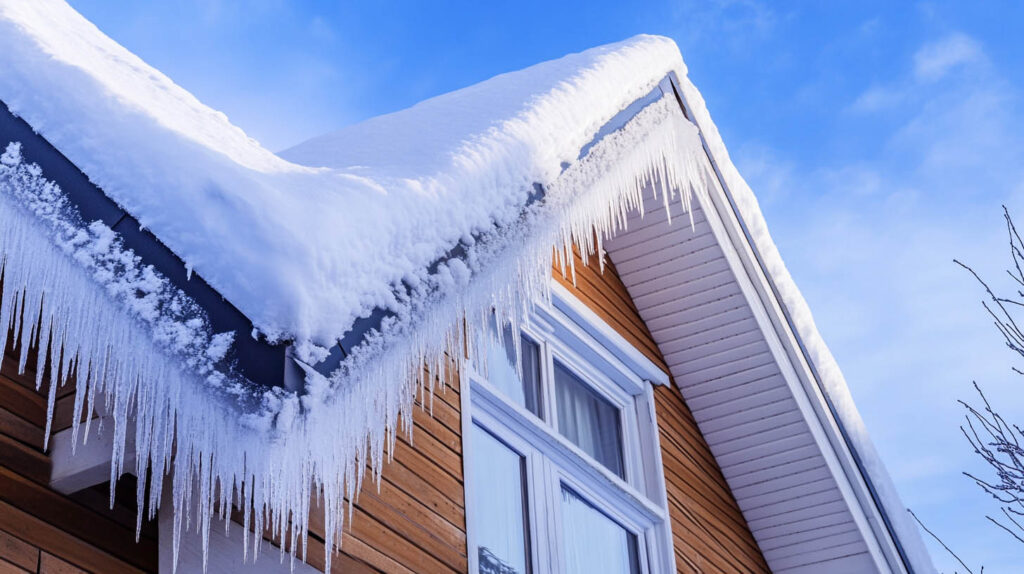
In Sandpoint, winter freeze-thaw cycles can damage roofs. Melting snow refreezes at the roof’s edge, forming ice dams that block drainage and force water under shingles—causing leaks and hidden damage to insulation, ceilings, and walls. Overnight refreezing lifts shingles and creates gaps, leading to missing shingles and exposing the roof deck to rot. Our winter inspection checklists cover both homes and businesses. For homeowners, we focus on ice dams, attic moisture, and shingle condition. For commercial flat roofs, we check for pooling water, membrane splits, and drainage issues common during freeze-thaw cycles. Prompt repairs prevent long-term damage.
Problems Unique to Metal, Asphalt, and Synthetic Roofs
Extreme temperature swings pose distinct challenges for roofing materials. Metal roofs can expand, loosening fasteners and causing leaks if not promptly addressed. Asphalt shingles may lose granules or curl, increasing water vulnerability and shortening lifespan. Synthetic roofs, though weather-resistant, can warp in severe heat or cold. Regular, professional inspections are essential to spot early damage and maintain roof integrity. Understanding these material-specific issues helps homeowners prevent costly repairs and protect their investment.
Clear Signs Your Roof Needs a Professional Inspection
After extreme temperatures, check your roof for damage—some signs are obvious, others subtle. Early detection prevents costly repairs and protects your home. A professional inspection is the best way to spot and fix minor issues before they worsen. Being proactive extends your roof’s life and helps you avoid emergency expenses. Recognizing warning signs lets you act quickly and make informed decisions.
Visible Symptoms on Shingles, Metal, and Gutters
Changes in your roof’s appearance often indicate underlying problems. Shingles that curl, crack, or lose granules can shorten your roof’s lifespan. Discoloration or water stains on metal roofing signal possible water intrusion, sealant failure, or corrosion. Gutters also need attention—rust or dents may cause clogs and poor drainage. Regular inspections, especially after extreme weather, can catch minor issues before they become expensive repairs. Spotting these warning signs early helps maintain your roof’s integrity and protects your home from harsh weather.
Subtle Warning Signs Inside the Home
Roof damage often first appears inside your home. Watch for water stains on ceilings or walls after heavy rain or snowmelt—these suggest leaks and need quick inspection, even if small. In the attic, look for moisture, damp insulation, visible daylight through roof boards, or musty smells. These signs can indicate poor ventilation or hidden mold from slow leaks. Good ventilation prevents moisture buildup and roof damage. Peeling paint near walls or windows may also signal trapped moisture from roof leaks. Even if they seem unrelated, these issues often point to roofing problems. Early professional inspection can prevent expensive repairs.
When Changes in Energy Bills Point to Roofing Issues
A sudden rise in energy bills may signal roofing problems. Poor roof or attic ventilation lets heated or cooled air escape, making your HVAC system work harder and increasing costs. In summer, trapped heat raises cooling bills; in winter, lost warmth hikes heating costs. Issues like damaged decking, blocked vents, or poor insulation are common culprits—detectable during a professional inspection. Ignoring these problems wastes energy and money. If your bills spike unexpectedly, get your roof checked. Repairs or a new roof with proper ventilation can help lower energy costs over time.
How Soon to Schedule a Roof Inspection After Weather Extremes
Schedule a roof inspection promptly after severe weather or temperature changes. Delaying can turn minor, hidden issues into costly repairs. Early inspections are a small investment that can save thousands. Combine these checks with your routine inspections for added protection. Whether it’s an annual review or post-storm assessment, staying proactive gives you peace of mind and confidence your home is safe—no matter what Sandpoint weather brings.
Ideal Timing for Post-Event Inspections
The best time for a roof inspection is right after severe weather or temperature changes. Don’t wait for leaks—damage has already happened by then. Prompt inspections let professionals catch vulnerabilities before they become major issues. Combine post-storm inspections with your annual checkups. Routine inspections track overall aging, while post-event checks spot specific damage like cracked shingles or loose flashing. Early repairs are the best way to protect your home. Being proactive saves money. A timely inspection costs far less than repairing water damage. Acting quickly after extreme weather keeps your roof—and home—safe.
Should You Wait for Seasonal Changes or Act Now?
Act promptly if you notice roofing issues or after severe weather. Delaying inspections lets minor damage worsen, leading to costly repairs from rot and mold. Problems won’t fix themselves—they escalate quickly and threaten your home’s structure. Immediate action prepares your roof for unpredictable conditions like snow, wind, or temperature swings—ensuring responsible property management. While seasonal inspections are helpful, don’t wait if you suspect trouble. A proactive inspection is the most cost-effective way to avoid emergencies and address problems before they become serious.
Why Choose Us in Sandpoint, ID
As your local roofing contractor in Sandpoint, ID, we at SkyRight Roofing and Gutters understand how our climate affects your home. Our professional inspections go beyond DIY checks—we get on your roof and spot issues you can’t see from the ground. We’re committed to protecting our neighbors’ homes with honest, thorough assessments. When you choose us, you’re choosing trusted experts who live and work in Bonner County. We treat every home like our own, ensuring your roof is ready for any season.
Our Certifications, Awards, and Community Trust
Our industry certifications and local awards reflect our strong community ties. As an Owens Corning Preferred Contractor, we meet strict standards for professionalism, reliability, and craftsmanship—using top-quality materials and offering strong warranties. Voted Bonner County’s #1 roofing company in 2023 and Best of Bonner County Roofing Company in 2024, we’re recognized for customer satisfaction and quality service. Choose SkyRight Roofing and Gutters—the team your neighbors trust. We use premium brands like CertainTeed, Ibex Metals, Brava, Euroshield, Velux, and Alu Rex Gutter Guards. Our certifications and reputation ensure honest assessments and exceptional results for any roofing system.
CALL US (208) 597-0101Connect With Us
After extreme temperature swings, a professional roof inspection is essential to protect your home. In Sandpoint, ID, where weather fluctuates, proactive maintenance can prevent expensive repairs. We at SkyRight Roofing and Gutters understand local climate challenges and offers expert assessments. As Sandpoint’s preferred contractor in 2023 and 2024, we deliver trusted service. Don’t wait for visible damage—contact us today to keep your home safe.
Read our blog: How Moss and Algae Growth Can Shorten the Life of Your Roof in Moist Climates
Frequently Asked Questions
Is it necessary to inspect after both heat waves and cold snaps?
Yes, it is wise to inspect after both. Heat waves can cause materials to crack and warp, while cold snaps lead to brittleness and ice dams. Both types of temperature swings create different stresses, so a professional roof inspection after any severe weather helps prevent costly repairs.
Can I spot temperature-related roof damage without a pro?
You might see obvious warning signs like missing shingles, but much of the roof damage caused by temperature is subtle. A professional inspection identifies issues like weakened seals and granule loss on the roof surface, which are easily missed but can lead to major problems.