

In Coeur d’Alene, ID, our beautiful but moist climate can pose a unique threat to your home’s roof. What might look like a simple cosmetic issue—dark streaks or green patches—is often moss growth or algae growth. These living organisms can shorten your roof’s life and lead to serious problems. Understanding the risks and the need for professional roof cleaning from SkyRight Roofing and Gutters is the first step in protecting your home from preventable damage.
Why Moss and Algae Thrive on Roofs in Coeur d’Alene, ID
Our region’s humid climate creates ideal conditions for moss and algae to thrive. Consistent rainfall, dew, and fog keep roofs damp, allowing spores to take root and spread. Unlike dry areas where moisture evaporates quickly, our climate lets water linger. Additionally, mature trees often shade roofs, preventing sunlight from drying them out. These shaded, damp spots are especially vulnerable. The mix of limited sun and high moisture makes regular roof maintenance essential to prevent moss and algae growth.
Contact UsThe Impact of Moisture-Rich Climates on Roof Surfaces
A humid climate keeps roofs damp, especially on north-facing slopes with less sun. Shingles absorb moisture from rain, fog, and dew, softening over time and rarely drying completely. This trapped moisture causes water damage, encourages moss and algae growth, and can eventually seep under shingles—threatening the roof’s structure. For Coeur d’Alene homeowners, constant dampness makes roofs prone to organic growth. Regular inspections and cleaning are crucial; unmanaged moisture accelerates aging and leads to costly repairs. Controlling moisture is essential for protecting your roof.
Limited Sunlight and Tree Cover
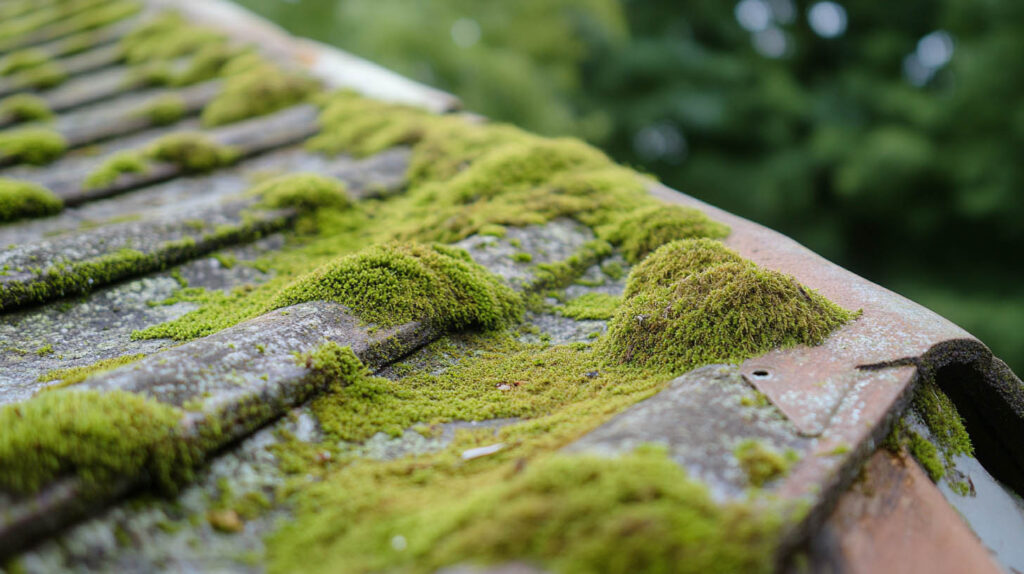
Sunlight helps keep your roof free of moss and algae by drying it quickly after rain. However, heavy tree cover can prevent sunlight from reaching your roof, leaving damp areas where moss and algae can thrive. Overhanging branches compound the problem by dropping leaves and debris, which trap moisture and provide food for growth. North-facing roof slopes are especially vulnerable since they get less sunlight. To protect your roof, trim back overhanging branches to boost sunlight and airflow. This simple step helps your roof dry faster, reducing moss and algae growth and extending your roof’s lifespan.
Understanding Moss and Algae
Although moss and algae often appear together, they are different. Algae—especially Gloeocapsa magma—shows up as black streaks on roofs and feeds on limestone in asphalt shingles. While mostly cosmetic at first, algae can trap moisture and eventually damage shingle surfaces. Moss is more harmful. It grows in thick, green clumps that root into roofing materials, lifting shingles and breaking their seals. This lets water seep underneath, causing further damage. Knowing the difference helps you choose the right cleaning method. Next, we’ll cover how each develops and how to identify them.
How Moss Develops on Asphalt Shingles
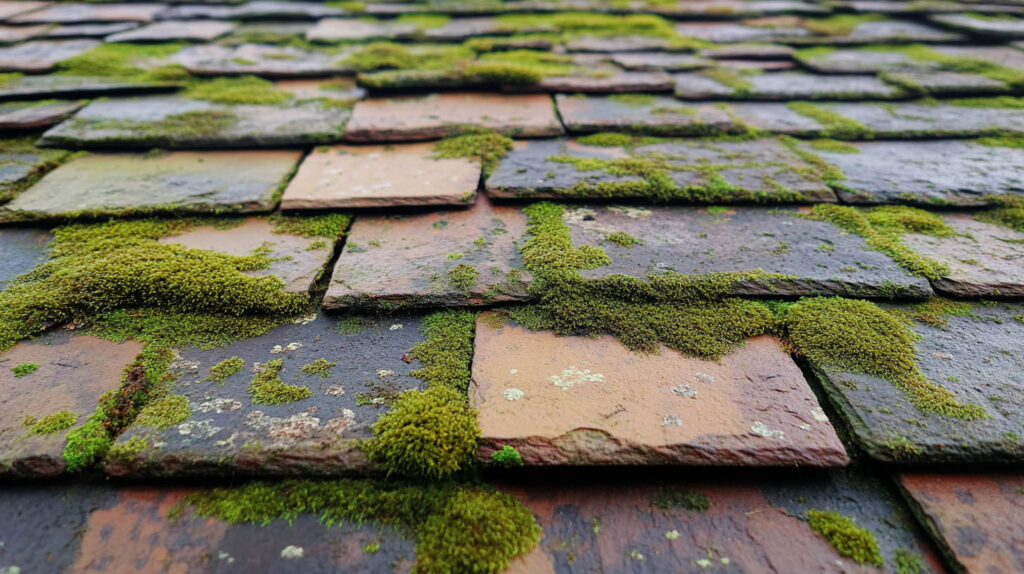
Moss grows when airborne spores land on damp, shaded roofs. For asphalt shingles from Owens Corning and CertainTeed, moss is especially damaging—its rhizoids dig in, dislodging granules and accelerating wear. As moss spreads, it forms dense mats that trap moisture, causing rot and lifting shingles to break seals and let water seep underneath, which can damage the roof deck. Even durable metal roofs like those from Ibex Metals aren’t immune. Moss collects in seams and flat areas, trapping debris and moisture that cause corrosion and block drainage. Left unchecked, moss compromises any roof’s integrity and shortens its lifespan.
Algae Growth Versus Mold
Differentiating algae from mold or mildew is essential for effective roof maintenance. Algae typically manifests as green or black streaks on damp areas of the roof and exhibits a smooth texture, remaining on the surface without penetrating the underlying roofing materials. In contrast, mold and mildew, which are often found in shaded spots where organic debris accumulates, can penetrate deeper into the materials and cause significant structural damage over time. Regular inspections and preventative treatments are crucial, as they help detect these issues early, ultimately reducing repair costs and extending your roof’s lifespan significantly.
Visible Signs Your Roof Is at Risk
Your roof will show clear signs when moss and algae become a significant problem. Visible green patches or dark streaks on your roof indicate active damage to your roofing materials, which is more serious than just unsightly stains. Ignoring these signs can compromise your roof’s structural integrity and lead to costly repairs. Additionally, keep an eye out for granule loss—tiny, sand-like particles accumulating in your gutters. These granules protect your shingles, so their presence indicates that moss and algae are wearing down the surface. Next, we’ll cover how to spot early growth and recognize changes in your shingles that may signal trouble.
Spotting Early Growth Before Serious Damage
Spotting early signs of growth on your roof can prevent costly damage. Regularly check for green patches or dark streaks, which signal moss or algae. Watch for moisture in shaded areas—these are prime spots for growth. Use a garden hose or soft brush to remove debris that encourages algae. Routine inspections and maintenance help protect against repairs. Preventative treatments like copper strips can inhibit moss and algae. Addressing issues early preserves your roof’s integrity and extends its lifespan.
Changes in Shingle Color, Texture, or Integrity
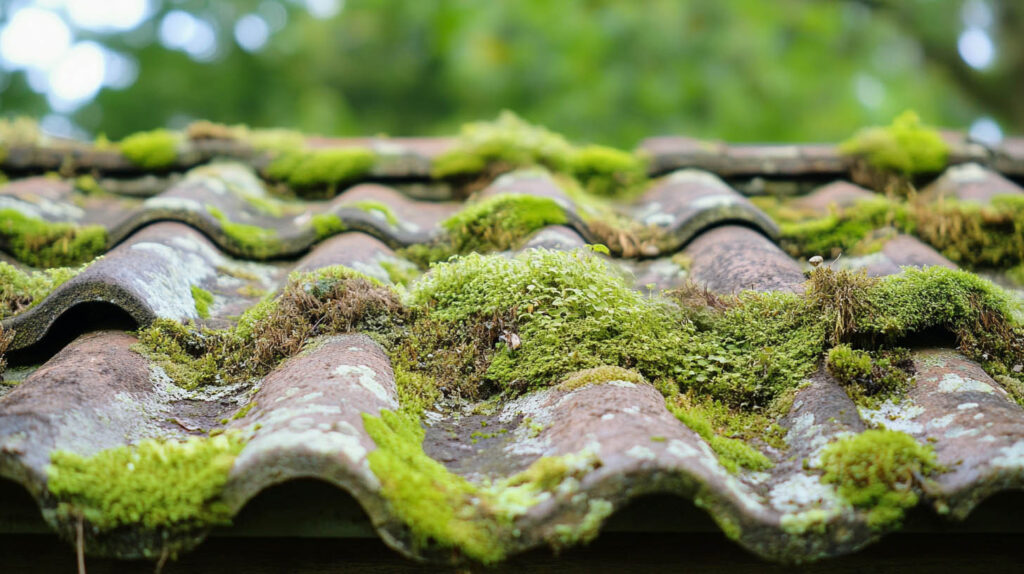
As moss and algae grow, your shingles will change. Algae leave dark streaks that make your roof look older, while moss causes stains that can remain after removal. These color changes mean your roofing material is breaking down. Moss also strips protective granules from asphalt shingles, exposing them to UV rays and speeding up deterioration. Over time, moss can make shingles curl, lift, or crack, reducing their ability to shed water and possibly requiring partial or full replacement to protect your home.
How Moss and Algae Cause Roof Damage
Moss and algae aren’t just unsightly—they actively shorten your roof’s lifespan in significant ways. Moss lifts shingles and traps moisture, which leads to rot, decay, and structural weakening over time. Algae feeds on shingle materials, causing protective granules to fall off, ultimately leaving your roof exposed to sun damage, brittleness, and further degradation. Regular moss and algae removal is essential to prevent costly repairs and protect your investment in your home. Here’s how this damage can spread to shingles, gutters, and beyond, affecting overall roof health.
Shingle Lifting, Trapping Moisture, and Roof Rot
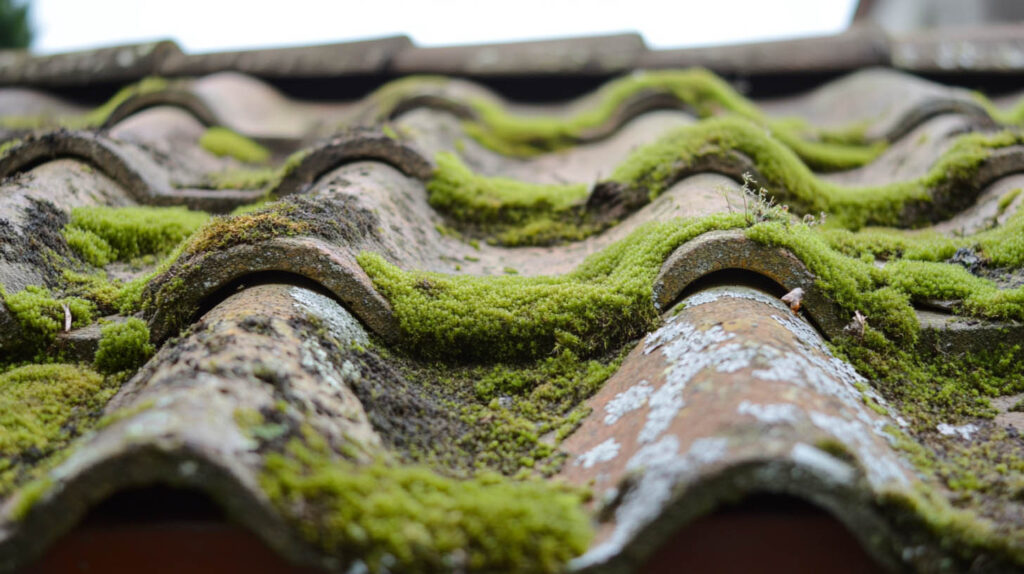
Moss and algae buildup can cause shingles to lift by destabilizing their surface, allowing water to collect underneath. This trapped moisture leads to rot and serious roofing issues. Over time, water damage wears away protective granules on asphalt shingles, reducing the roof’s integrity and energy efficiency. Without regular maintenance, these problems can shorten the roof’s lifespan and lead to expensive repairs or replacement. Prompt upkeep is essential to protect your roofing system.
Effects on Gutter Systems
Moss and algae damage isn’t limited to shingles. When moss dies or washes away, it clogs gutters and disrupts drainage. Overflowing gutters can damage siding and foundations. A quality gutter protection system prevents clogs, keeps gutters clear, and reduces maintenance. Without protection, frequent cleaning is required and your fascia boards and foundation remain vulnerable. Moisture lifting shingles can saturate the roof underlayment—your last defense against leaks. If this barrier rots, water can reach your attic and ceilings, causing serious interior damage.
CALL US (208) 597-0101What’s Next
Understanding moss and algae growth on your roof is essential, especially in Coeur d’Alene’s moist climate. These organisms can damage shingles, trap moisture, and compromise your roof’s integrity, shortening its lifespan. Regular inspections and maintenance help preserve your roof’s quality. As an Owens Corning Preferred Contractor and Bonner County’s top-rated roofing company, we at SkyRight Roofing and Gutters will effectively address these issues. Contact us for a consultation to protect your home and extend your roof’s life.
Read our blog: Why Spring Roof Inspections Are Essential After a Sandpoint Winter
Frequently Asked Questions
Can cleaning my roof extend its lifespan in a moist climate?
Yes, absolutely, without a doubt. Regular roof cleaning effectively removes damaging organisms that trap moisture and degrade materials over time. In a consistently moist climate, professional cleaning is one of the most effective and proven ways to prevent premature aging and significantly extend your roof’s lifespan, ultimately saving you money on costly future repairs.
What types of roofing materials resist moss and algae growth best?
Metal roofs, like those from our partner Ibex Metals, are highly resistant to growth. Additionally, some modern asphalt shingles contain copper granules that naturally inhibit algae. Installing copper or zinc strips along the roof ridge is another effective way to protect any roof surface.