

Winter in Coeur d’Alene, ID brings beautiful scenery, but heavy snow accumulation poses a significant threat to your home. Proper roof snow removal is not just a chore; it’s a critical step to prevent serious roof damage. Understanding the right tools and techniques for dealing with winter weather can protect your investment and give you peace of mind. This guide will explore your options.
Why Roof Snow Removal Matters in Coeur d’Alene, ID
Significant snow accumulation poses considerable challenges for homeowners in Coeur d’Alene, ID. The risk of structural damage increases as heavy snow loads develop on roofs, potentially leading to roof collapse and costly repairs. It is crucial to address snow buildup promptly, particularly to prevent the formation of ice dams, which can exacerbate roof leaks and water damage. Utilizing appropriate roof snow removal tools ensures peace of mind, safeguarding both your property and family during harsh winter weather conditions.
Contact UsProtecting Roof Structure and Preventing Ice Dams
Maintaining a clear roof surface is essential to protect structural integrity. Heavy snow accumulation can lead to serious issues such as roof collapse or leaks if not managed properly. Removing snow promptly reduces the risk of ice dam formation, which creates pressure and may cause costly repairs. Utilizing the right roof snow removal tools, like telescoping roof rakes, enables homeowners to safely address snow buildup without enduring structural stress while ensuring peace of mind against winter weather hazards.
Recognizing When to Remove Snow from Your Roof
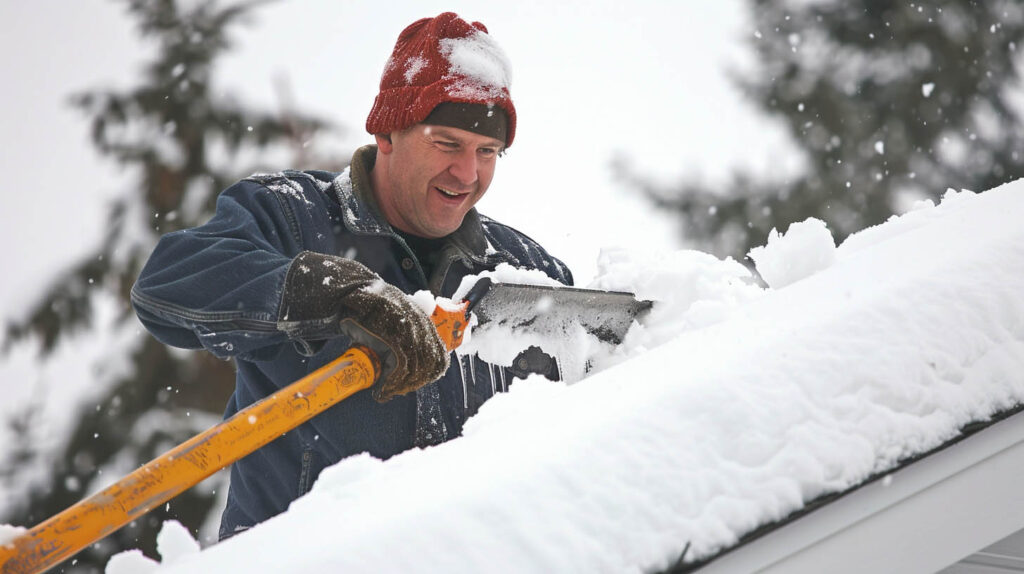
The decision to clear snow from your roof hinges on several factors, such as the amount of snow accumulation and the structural integrity of your roofing materials. Monitoring those heavy snow loads is crucial; ideally, snow should be removed when it reaches between 6 to 12 inches, especially if it’s a wet, heavier type. Ignoring the buildup may lead to the formation of ice dams, risking significant water damage or structural stress that could ultimately result in costly repairs.
Main Types of Roof Snow Removal Tools
When it comes to roof snow removal, homeowners have several types of tools at their disposal. The most common options for manual snow removal include the roof rake and, in some cases, specialized shovels. These tools allow you to clear snow from the ground, which is the safest approach for any DIY attempt. Each tool is designed for different situations and snow types.
For those seeking a more automated solution, heated roof cables and de-icing systems offer a proactive way to manage snow and ice. These systems work by melting snow as it falls, preventing buildup from the start. Understanding the features, benefits, and drawbacks of each of these roof snow removal tools will help you choose the right method for your home.
Roof Rakes — Design, Function, and Ideal Uses
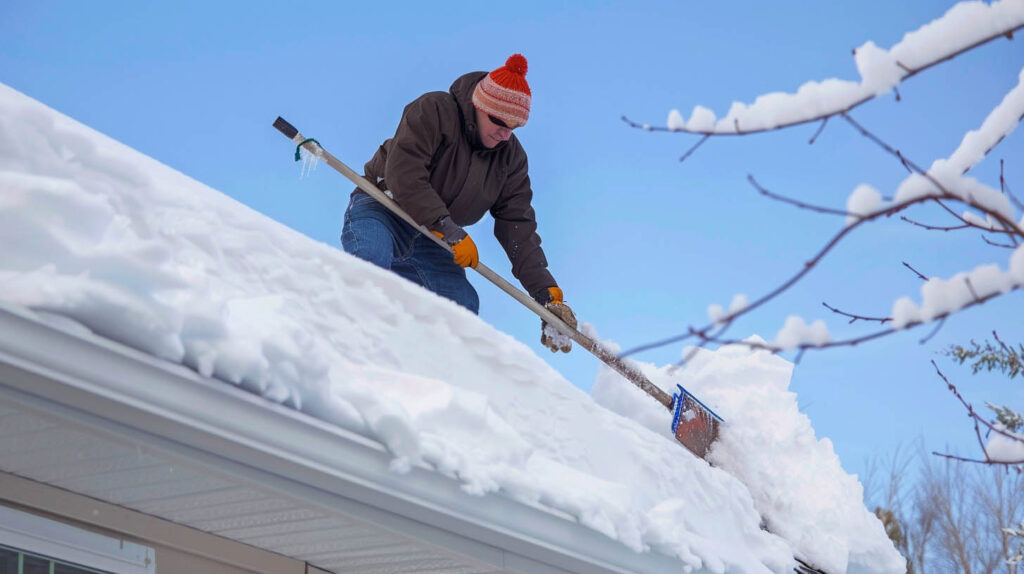
The functionality of roof rakes is tailored to effectively manage heavy snow loads while minimizing structural stress on roofing materials. With features like a telescoping handle, these tools allow users to reach the roof’s edge safely, preventing snow buildup and the formation of ice dams. Ideal for removing inches of fresh snow or a thin layer, roof rakes are particularly useful for flat roofs, where snow accumulation can pose serious issues. Proper use ensures peace of mind by reducing the risk of roof damage and costly repairs.
Snow Shovels with Roof Attachments
Snow shovels equipped with roof attachments enhance safety and efficiency when tackling accumulated snow on various roofing materials. These tools often feature long handles, allowing users to maintain a safe distance from the edge of the roof while effectively removing snow. Ideal for addressing inches of fresh snow or a thin layer, they help prevent structural stress and potential ice dam formation. Utilizing snow shovels with roof attachments ensures a manageable approach to winter weather challenges, minimizing costly repairs due to roof leaks or damage.
Heated Roof Cables and De-Icing Systems
Utilizing heated roof cables and de-icing systems can significantly mitigate the formation of ice dams and the accompanying structural stress. These innovative solutions typically involve strategically installed heating elements along the roof’s edge, effectively melting snow and ice buildup. While they offer a proactive approach to preventing water damage, potential downsides include the need for proper installation and increased energy costs. Nevertheless, their ability to enhance safety and provide peace of mind during severe winter weather makes them a worthwhile consideration.
Comparing Roof Snow Removal Techniques
Multiple methods exist for roof snow removal, each with distinct advantages and drawbacks. Manual techniques, such as using a roof rake, enable precise control over the removal process, particularly effective for a thin layer of snow or light accumulations. Conversely, mechanical or heated solutions can efficiently manage heavy snowfall and ice dam formation but may pose risks if not employed correctly. Evaluating these approaches ensures optimal safety, minimizing structural stress on roofing materials while addressing snow build-up effectively.
Manual Removal Methods — Advantages and Drawbacks
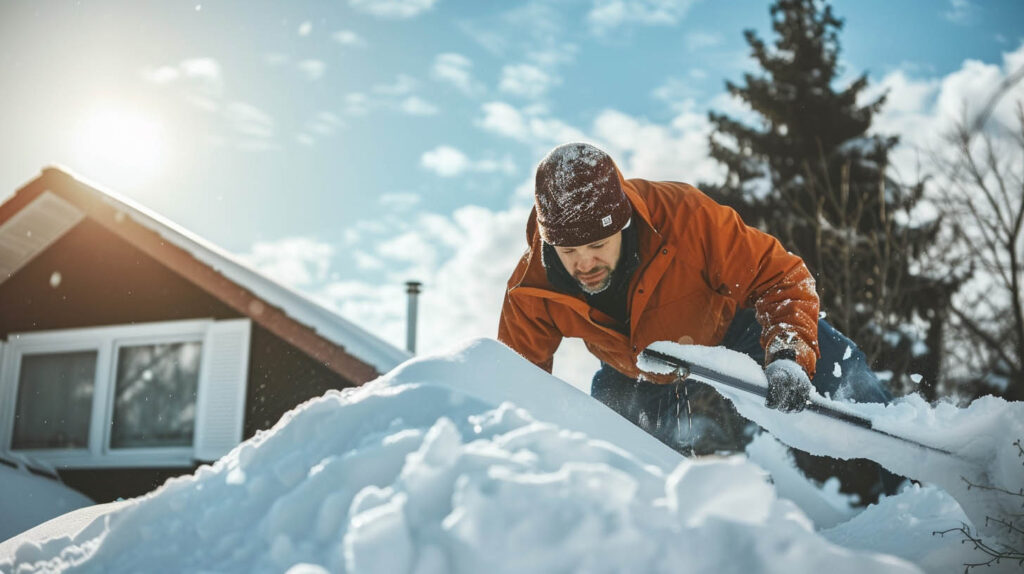
Utilizing manual removal methods for roof snow can offer both advantages and drawbacks. On one hand, techniques like roof raking are cost-effective and provide a safe way to manage thin layers or small sections of snow buildup, reducing the risk of structural stress due to heavy snow loads. However, manual methods can be labor-intensive and pose safety risks, particularly with heavy snowfall or when working near overhead power lines. Ensuring protective eyewear and a good grip on the tools can mitigate these hazards.
Mechanical and Heated Solutions — Pros and Cons
Mechanical and heated snow removal solutions offer efficiency and convenience, especially during heavy snowfall. Devices such as heated cables can help prevent ice dam formation while reducing the structural stress on roofs. However, these systems may come with higher initial costs and ongoing energy expenses. Furthermore, reliance on mechanical tools could result in a lack of thoroughness, leading to hidden snow buildups that might cause roof damage. Balancing ease of use with the potential for costly repairs is essential.
Choosing the Right Tool for Different Roof Types
Selecting the appropriate tool for varied roofing materials significantly impacts the efficiency of roof snow removal. Metal roofs, with their smooth surfaces, may benefit from a roof rake or telescoping handle to swiftly clear away fluffy snow without scratching. On the other hand, asphalt shingles necessitate careful handling; a snow shovel with a roof attachment can minimize the risk of damaging the roofing materials. Understanding the unique characteristics of each roof type ensures effective removal while mitigating the chance of ice dam formation and structural damage.
Best Options for Metal, Asphalt, and Synthetic Roofs
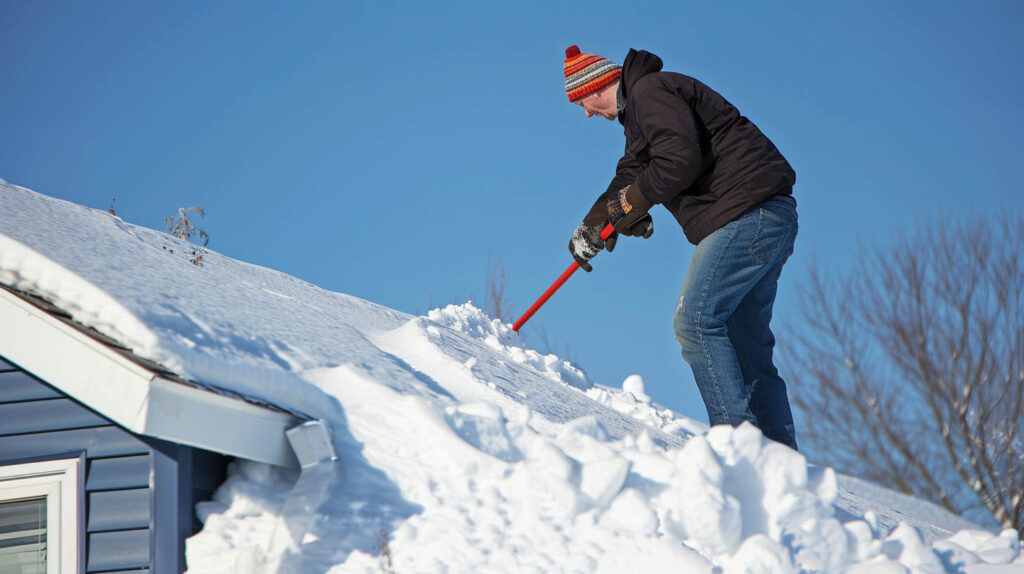
Selecting the right snow removal tools is essential for preserving various roofing materials. Metal roofs, known for their slick surfaces, benefit from roof rakes with telescoping handles that allow for easy removal of heavy snow accumulation while minimizing risk to the surface. Asphalt roofs require careful handling; using gentler snow shovels can prevent structural damage. For synthetic roofs, lightweight snow removal tools are ideal, reducing the risk of ice dam formation and ensuring the integrity of roofing materials.
Considering Gutters and Gutter Guards During Snow Removal
Effective snow removal must consider the structure of gutters and any installed gutter guards. These components play a crucial role in managing melting snow and preventing overflow, which can otherwise lead to water damage or ice dam formation. Ensuring a clear path for snow and ice runoff protects against structural stress and costly repairs. Utilizing gutter-friendly snow removal tools, rather than bypassing these systems, can provide peace of mind and safeguard your roof’s integrity throughout the winter months.
CALL US (208) 597-0101Request a Quote
Understanding roof snow removal tools and techniques is essential for Coeur d’Alene homeowners to prevent damage from heavy snow. Choosing the right method—such as roof rakes, shovel attachments, or heated solutions—helps protect your home and prevents ice dams. Consider your roof material and gutters when deciding on an approach. As an Owens Corning Preferred Contractor and Bonner County’s top-rated roofing company, SkyRight Roofing and Gutters offers expert guidance. Protect your home this winter—request a quote for our commercial services today.
Frequently Asked Questions
What are common roof snow removal mistakes?
Common snow removal mistakes include using metal shovels that cause roof damage, scraping the roof surface completely bare, and working from an unsafe position like a ladder. Ignoring overhead power lines and underestimating the weight of falling snow are also dangerous errors that can lead to serious injury.
Can roof rakes damage your roof?
Yes, a roof rake can cause roof damage if used incorrectly. Aggressively scraping the roof’s edge can remove the protective granules from asphalt shingles. To prevent this, use roof snow removal tools with wheels or rollers and always leave a thin layer of snow to protect the roofing materials.
Read our blog: Choosing the Right Roofing Contractor: Questions Homeowners Must Ask