
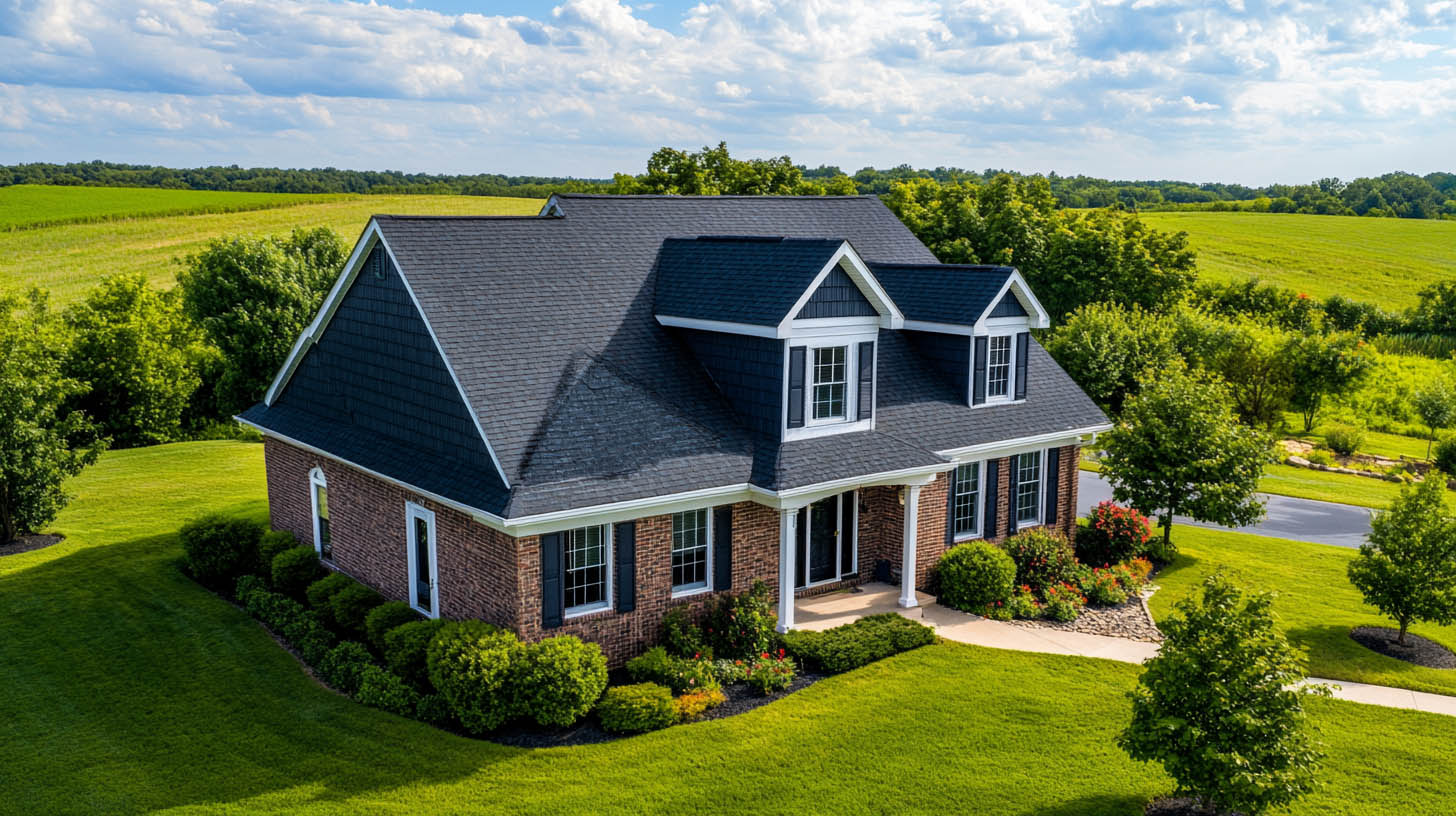
Spring storms bring heavy rain, strong winds, and even hail, posing a serious threat to homes with aging or damaged roofs. At SkyRight Roofing and Gutters, we understand how crucial it is to prepare for unpredictable weather, and replacing your roof before the storm season can save you from costly damage and emergency repairs.
As an Owens Corning Preferred Contractor and the Best of Bonner County Roofing Company in 2024, we help homeowners in Coeur d’Alene, ID, upgrade their roofs for superior protection. If your roof is nearing the end of its lifespan or showing signs of wear, replacing it before spring storms arrive can make all the difference.
The Risks of Waiting Too Long
Older roofs are more vulnerable to severe weather conditions. Missing shingles, worn-out flashing, and weakened roofing materials lead to leaks, structural damage, and expensive emergency repairs during a storm. Taking action now can prevent further deterioration and ensure your home remains safe and secure.
Top Reasons to Replace Your Roof Before Spring Storms
Prevent Hail and Wind Damage
Spring storms often bring hail, which can crack shingles, dent metal roofing, and weaken the protective layers of your roof. High winds can lift shingles, tear off flashing, and create gaps that allow water to seep in. Modern roofing materials, such as Owens Corning asphalt shingles, Euroshield rubber roofing, and metal roofing, are designed to withstand severe weather conditions.
Avoid Emergency Repairs and Insurance Hassles
Many homeowners are forced to file insurance claims after storms cause unexpected roof damage. However, insurance companies may deny claims if your roof was already in poor condition before the storm. Replacing your roof in advance can help you avoid costly out-of-pocket repairs and potential policy issues.
Unique Fact: Insurance industry data shows that homes with metal roofs file 40% fewer storm damage claims compared to homes with asphalt shingles, making metal roofing one of the most storm-resistant options.
Stay Ahead of the Spring and Summer Rush
Spring and summer are the busiest seasons for roofing contractors. Scheduling your roof replacement early ensures:
- Shorter wait times for installation
- More competitive pricing before peak season price hikes
- A stress-free process without rushing to fix storm damage
Improve Energy Efficiency Before Hot Weather Arrives
A well-maintained roof plays a key role in regulating indoor temperatures. Older roofs absorb more heat, making your air conditioning work harder in the summer. Upgrading to energy-efficient materials, such as metal roofing or reflective asphalt shingles, can lower cooling costs by reducing heat absorption.
Signs That Your Roof Needs Replacement
If you are unsure whether your roof is ready for a replacement, look for these warning signs:
- Missing or curling shingles
- Dark streaks or granule loss
- Leaks or water stains on ceilings
- Moss or mold growth on the roof
- Sagging rooflines or visible structural damage
FAQs About Roof Replacement Before Storm Season
1. How long does it take to replace a roof?
Most roof replacements take one to three days, depending on the size and complexity of the project.
2. What is the best roofing material for storm protection?
Metal roofing, impact-resistant asphalt shingles, and synthetic slate or rubber roofing offer the highest durability against hail, wind, and heavy rain.
3. Can I wait until after storm season to replace my roof?
Waiting too long can put your home at risk for leaks, water damage, and costly emergency repairs. It is best to replace a worn-out roof before severe weather arrives.
Final Thoughts
Replacing your roof before spring storms is a proactive way to protect your home from costly damage and ensure long-term durability. If your roof is showing signs of wear, now is the best time to upgrade.
For expert roof replacement services in Coeur d’Alene, ID, trust SkyRight Roofing and Gutters, the #1 rated roofing company in Bonner County for 2023 and 2024.
For more insights on protecting your home, read our guide on preventing roof damage from wildlife.