

Strong winds can cause significant damage to your roof, often without homeowners realizing it until leaks or structural issues appear. At SkyRight Roofing and Gutters, we understand how unpredictable weather in Coeur d’Alene, ID, can be, and we’ve helped countless homeowners repair and prevent wind-related roof damage.
As an Owens Corning Preferred Contractor and the Best of Bonner County Roofing Company in 2024, we take wind damage seriously. Knowing what to look for after a storm can help you act quickly and avoid costly repairs.
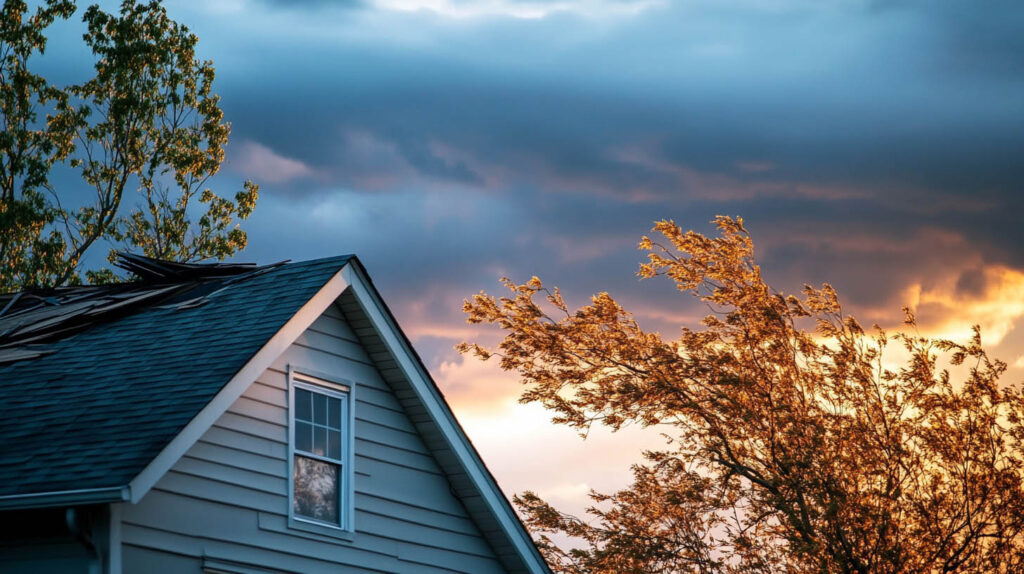
How Wind Damages Your Roof
High winds affect roofs in different ways, depending on their intensity and your roofing material. Wind doesn’t hit uniformly—it creates pressure points, particularly around the edges, ridges, and loose shingles. Over time, repeated exposure to strong winds can compromise your roof’s integrity.
Wind damage usually falls into two categories:
1. Shingle Damage
Gusts can loosen, lift, or completely remove shingles, exposing the underlayment or even the roof deck. Asphalt shingles, like those from CertainTeed or Owens Corning, are designed to withstand high winds, but they can still suffer damage over time, especially if they were improperly installed or have aged.
2. Impact Damage from Flying Debris
During storms, tree branches, debris, and even loose outdoor furniture can become airborne, striking your roof with force. Even a small branch can crack or puncture shingles, and heavier debris can cause more severe structural damage.
Common Signs of Wind Damage on a Roof
After a storm, you don’t need to climb onto your roof to assess potential damage. A visual inspection from the ground can reveal important warning signs.
1. Missing or Lifted Shingles
Check for shingles that appear curled, displaced, or completely missing. If the adhesive seal is broken, shingles may flap in the wind, allowing moisture to seep underneath.
2. Granule Loss and Bald Spots
Granules protect asphalt shingles from UV rays and water damage. If you notice granules accumulating in your gutters or near downspouts, this could indicate wind-related wear.
3. Roof Debris
If tree branches or foreign objects have landed on your roof, they could have caused impact damage or loosened shingles.
4. Leaks or Water Stains Inside Your Home
Wind damage can lead to minor cracks or lifted shingles, allowing water to seep through. If you notice stains on ceilings, damp rafters in the attic, or peeling paint, your roof may have been compromised.
5. Damaged Flashing and Gutters
Flashing around chimneys, vents, and skylights is particularly vulnerable to high winds. Bent, torn, or missing flashing can leave your home exposed to moisture intrusion. Gutters can also detach due to strong winds, leading to improper drainage.
How to Prevent Wind Damage
1. Schedule Regular Roof Inspections
Preventative maintenance is key to keeping your roof strong against the elements. A professional inspection after a major windstorm can identify potential weak points before they become serious issues.
2. Choose Wind-Resistant Roofing Materials
Certain roofing products, such as Brava synthetic tiles, Euroshield rubber roofing, and Owens Corning shingles, offer enhanced durability against high winds. If you’re considering a roof replacement, upgrading to wind-resistant materials can provide extra protection.
3. Trim Overhanging Tree Branches
Trees too close to your home can increase the risk of impact damage. Regularly trimming branches away from your roof can prevent them from becoming airborne during storms.
4. Secure Loose Roofing Components
Ensure that all flashing, vents, gutters, and skylights are properly fastened to withstand strong winds. Reinforcing roof edges with additional adhesive can also help prevent wind uplift.
FAQs About Wind Damage on Roofs
1. How strong does the wind need to be to damage my roof?
Wind speeds as low as 45 mph can start lifting loose shingles, while gusts over 60 mph can cause severe damage.
2. Should I check my attic for wind damage?
Yes! Water stains, damp rafters, or a musty smell in your attic can indicate hidden roof damage caused by wind-driven rain.
3. What should I do if I suspect wind damage?
Schedule a professional roof inspection as soon as possible to assess the extent of the damage and prevent further issues.
Final Thoughts
Wind damage can weaken your roof over time, leading to leaks and costly repairs. Knowing the signs and taking preventative measures can help protect your home from storm-related damage.
If you suspect wind damage or want to strengthen your roof for future storms, contact SkyRight Roofing and Gutters, the #1 rated roofing company in Bonner County for 2023 and 2024.
For more tips on seasonal roofing maintenance, check out our guide on why winter is the best time to plan your roof installation.