
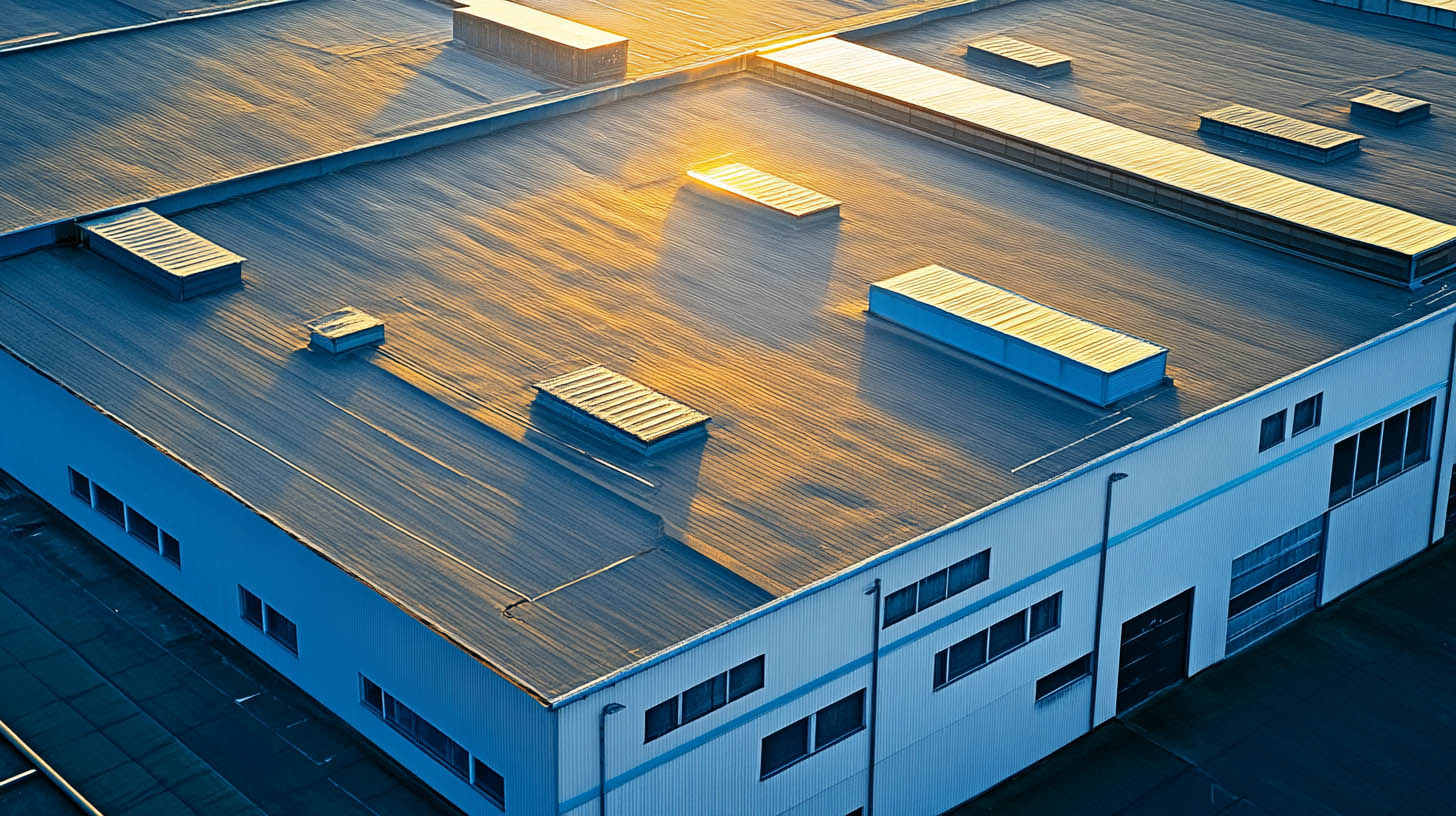
Commercial roofs endure significant stress from environmental exposure and operational demands. Partnering with SkyRight, based in Sandpoint, ID, ensures these issues are addressed with precision and care. Below are eight common challenges and effective solutions.
Poor Installation Practices
Improper installation is a leading cause of premature roof failure. Issues like poorly adhered materials, inadequate seam sealing, and misaligned flashing reduce roof durability. Professional installation by certified contractors is essential to prevent these problems.
Inadequate Maintenance
Routine maintenance is crucial for the longevity of commercial roofs. Ignoring regular inspections leads to unnoticed damage, such as leaks or structural weakening. Schedule biannual check-ups to identify and resolve issues promptly.
Standing Water Accumulation
Flat roofs are prone to water pooling due to insufficient slope, blocked drains, or HVAC malfunctions. Persistent standing water can lead to material degradation and leaks. Ensure proper drainage systems are in place and maintained.
Flawed Repairs
Using incorrect materials or techniques during repairs compromises roof integrity. For example, fixing metal roofing with incompatible substances can cause expansion-related damage. Always rely on experienced professionals for repairs.
Punctures and Penetrations
Foot traffic, equipment placement, and storm debris often cause punctures. These breaches expose the roof to moisture and compromise insulation. Protect vulnerable areas with durable coverings and minimize roof access.
Wind Damage and Blow-Off
High winds can dislodge poorly secured materials. This process, known as blow-off, results in weakened roofing systems. Proper installation and reinforced materials mitigate wind-related risks.
Shrinkage and Material Fatigue
Temperature fluctuations cause roofing materials, flashing, and seams to expand and contract, leading to cracks and detachment. Using high-quality, weather-resistant materials extends roof lifespan.
Faulty Flashing
Flashing safeguards roof joints and seams but is often improperly installed. Misaligned or worn components increase vulnerability to leaks. Regular inspections and timely replacements prevent severe damage.
Did you know? Studies show that standing water on flat roofs for more than 48 hours increases the risk of leaks by 70%, emphasizing the importance of efficient drainage.
SkyRight: Expertise in Commercial Roofing
SkyRight combines technical expertise with a commitment to quality. As an Owens Corning Preferred Contractor and Bonner County’s #1 roofing company in 2023, we offer tailored solutions for every roofing challenge. Trust us for your maintenance and installation needs.
FAQs
1. How often should commercial roofs be inspected? At least twice a year, ideally in spring and fall, to identify seasonal damage.
2. What is the most common cause of commercial roof leaks? Poorly installed or aged flashing is a frequent culprit.
3. Can standing water damage be repaired? Yes, but addressing the root cause, such as slope correction, is essential to prevent recurrence.
4. What materials are best for flat roofs? EPDM, TPO, and PVC membranes offer durability and resistance to UV damage.
5. Are regular inspections necessary for new roofs? Yes, early inspections ensure the roof was installed correctly and identify potential issues.If you want to read a blog about tackling common residential roofing challenges, click here.