
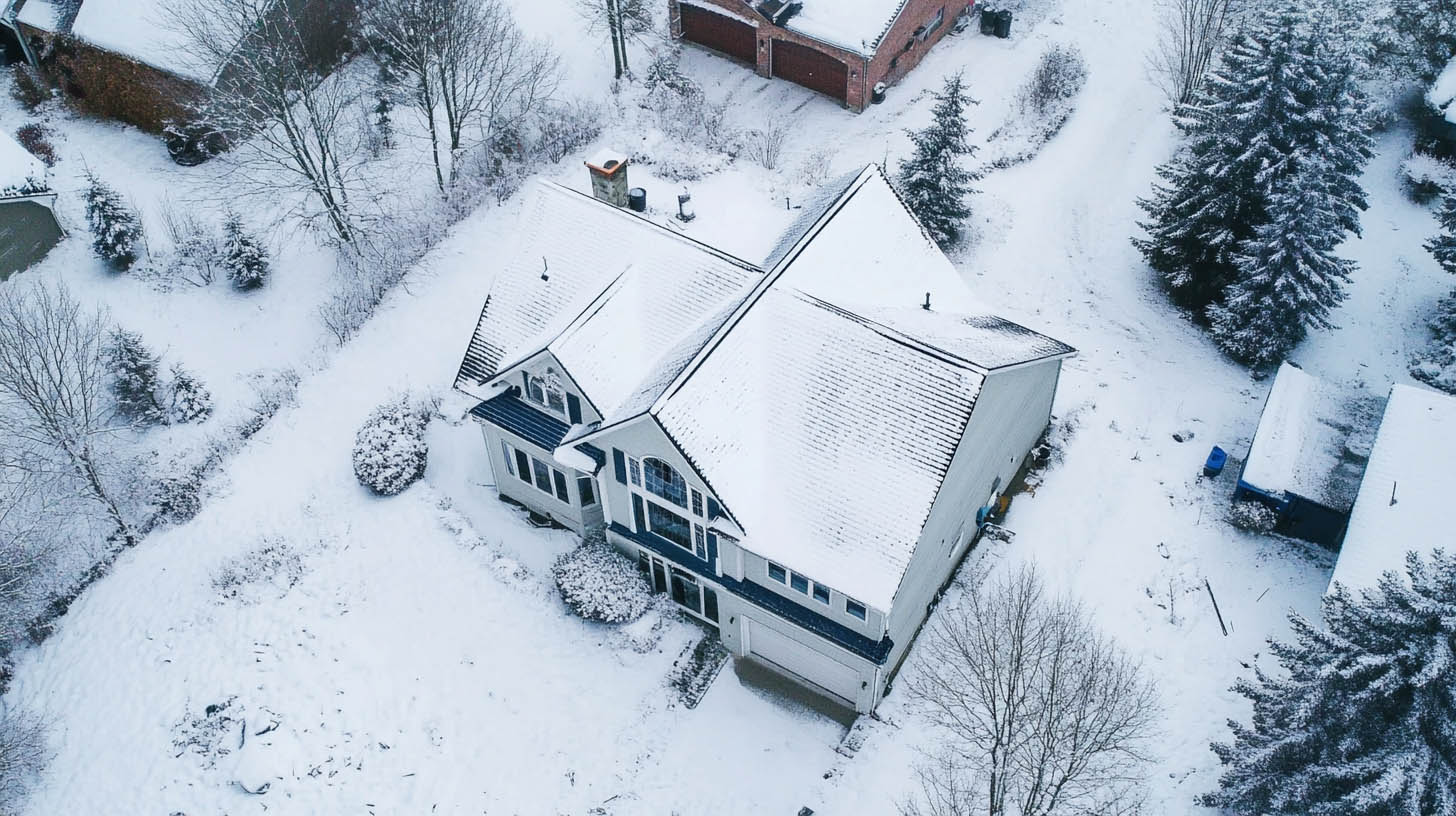
Winter might not seem like an ideal time for roofing work, but addressing leaks and damage promptly during this season is critical for maintaining your home’s safety and comfort. At SkyRight, based in Sandpoint, ID, we ensure that winter roofing projects are completed efficiently and safely, regardless of the challenges.
Why Address Roof Issues in Winter?
Delaying repairs during winter can lead to serious complications. Damaged roofs are more vulnerable to harsh weather conditions, increasing the likelihood of further issues such as leaks, sagging ceilings, and structural damage. Signs you may need winter roof repair include water stains on walls, missing shingles, or drooping ceilings. Ignoring these signs can result in more extensive damage and higher repair costs.
Is Roofing Work Possible During Winter?
Yes, roofing work can be done in winter, provided the contractor uses appropriate techniques to ensure lasting results. For instance, asphalt shingles—the most popular roofing material—require specific handling in temperatures between 40 and 85°F to prevent cracking during installation. Professional roofers often pre-warm shingles and apply asphalt cement for better adhesion in cold conditions.
Key Winter Roofing Considerations
Challenges of Winter Roofing
Cold temperatures can complicate roofing projects. Roofing adhesives may take longer to cure, and tools reliant on compressors can malfunction in freezing weather. Additionally, icy conditions increase the risks associated with working on roofs.
Benefits of Winter Roofing
Winter roofing work can also present advantages. Material and labor costs are often lower during the offseason, and contractors are generally more available, enabling quicker scheduling of repairs or replacements.
Risks to Consider
Working in winter requires experienced contractors who understand the risks of cold weather and have the skills to ensure safety and quality. Ice, snow, and limited daylight can extend project timelines, so flexibility is essential.
Unique Insights
Did You Know? Properly installed asphalt shingles in winter require manual sealing with asphalt cement, as sunlight may not be sufficient to activate their adhesive properties.
Why Hire Professionals?
Winter roofing projects demand expertise to navigate challenges like icy surfaces, brittle materials, and equipment malfunctions. Professional contractors have the tools, training, and techniques to complete winter roofing work safely and effectively, minimizing risks to both workers and homeowners.
SkyRight’s Expertise in Winter Roofing
SkyRight is your trusted partner for winter roofing solutions. Recognized as Bonner County’s #1 rated roofing company in 2023 and an Owens Corning Preferred Contractor, we specialize in providing efficient, high-quality roofing services year-round.
FAQs
Q1: What temperature is too cold for roofing work?
Roofing work is generally safe above 20°F, though handling materials like asphalt shingles below 35°F requires specific techniques.
Q2: Are roofing materials cheaper in winter?
Yes, material costs often decrease during the offseason, making winter an economical time for repairs or replacements.
Q3: Can leaks worsen during winter?
Yes, freezing and thawing cycles can expand leaks, leading to significant damage if not addressed promptly.
Q4: How long do winter roofing projects take?
Projects may take longer due to limited daylight and weather-related delays, but experienced contractors plan accordingly.
Q5: What safety measures are necessary for winter roofing?
Professionals use non-slip equipment, warm materials, and strategic scheduling to ensure safety during winter roofing tasks.If you want to read a blog about managing snow accumulation on your roof, click here.