
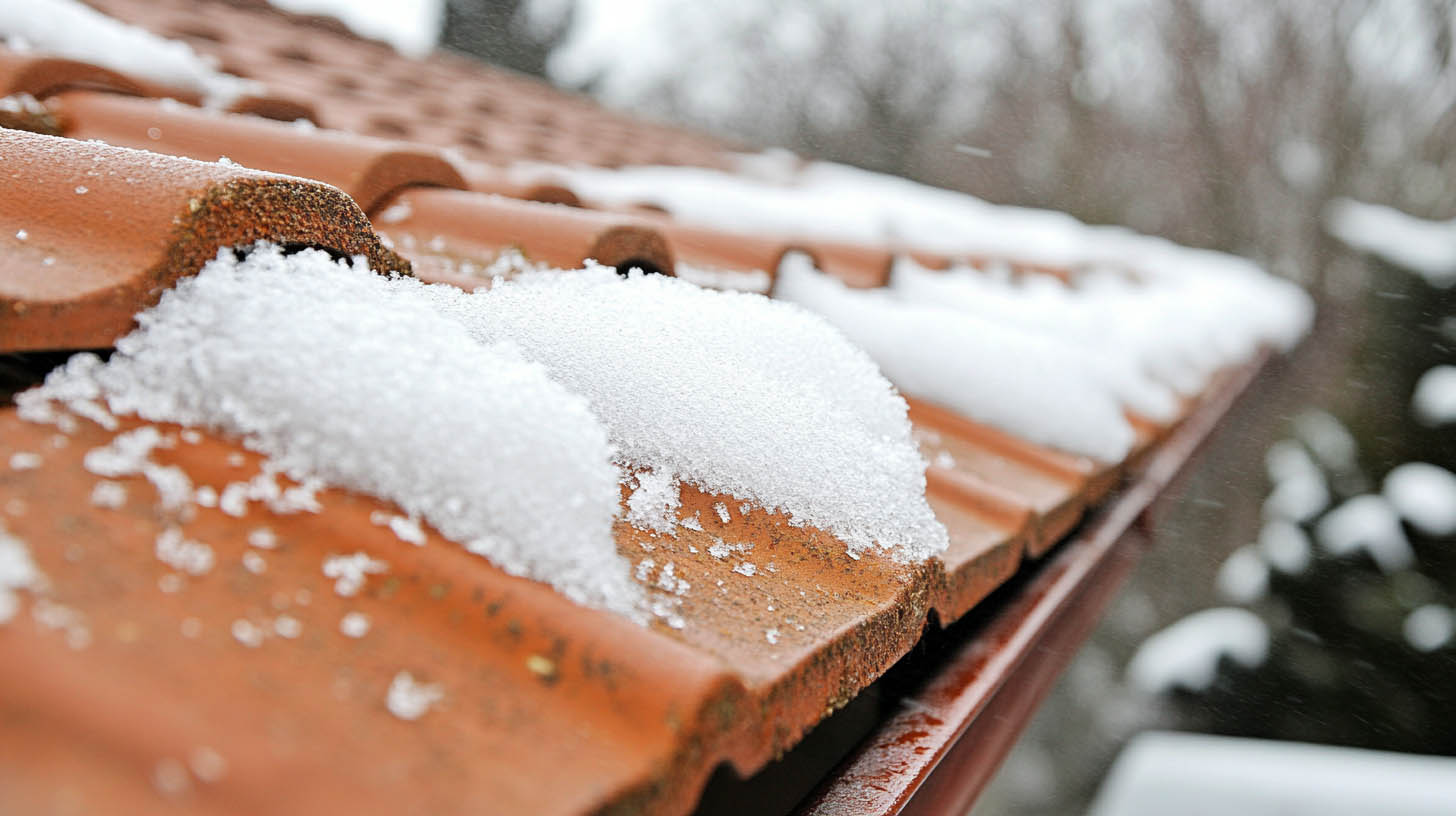
Snow-covered rooftops may look picturesque, but they can pose significant risks to homes and businesses.At Skyright, based in Coeur d’Alene, ID, we emphasize the importance of understanding and addressing the potential hazards associated with snow accumulation on roofs. This guide covers everything you need to know about preventing and managing snow-related roof issues.
How Much Snow is Too Much?
Snow weight varies greatly depending on its type. According to FEMA, fluffy snow weighs about 3 pounds per square foot, while heavy, wet snow can reach 21 pounds per square foot. Ice is even denser, weighing 57 pounds per square foot. With the average roof size in the U.S. being around 2,000 square feet, these accumulations can quickly exceed the structural limits of a roof, typically designed to support up to 20 pounds of snow per square foot.
Homes built before 1975 may have reduced structural integrity and require extra caution when assessing snow loads. Professional inspections can help determine whether snow removal is necessary.
How to Safely Remove Snow from a Roof
When snow buildup becomes excessive, removal is essential to prevent roof collapse. However, attempting to clear snow yourself can be risky and may cause additional damage to the roof. Using improper tools like shovels can harm shingles, increasing the risk of leaks and structural damage. Hiring professionals to safely remove snow is a safer and more effective approach.
Does Snow Provide Insulation?
While excessive snow poses risks, a thin layer can act as natural insulation. Snowflakes trap air pockets, reducing heat escape through the attic. Research shows that snow with 7% water volume has similar insulating properties to fiberglass insulation. However, this should not replace proper insulation measures for energy efficiency.
Dangers of Snow on Roofs
Heavy snow loads present numerous risks, including:
- Attic Condensation: Snow buildup leads to moisture accumulation in the attic, resulting in wood decay and mold growth. Proper attic ventilation and sealing air leaks can mitigate this issue.
- Roof Collapse: Excessive snow and ice loads can exceed the roof’s weight capacity, leading to collapse. Warning signs include sagging ceilings, water leaks, and cracks in walls.
- Ice Dams: As snow accumulates on your roof and melts due to temperature fluctuations, it can refreeze along the edges of the roof and in the gutters, forming ice dams. These ice dams prevent water from flowing off the roof properly, causing it to back up and seep under the shingles. The trapped water can damage the roofing materials, causing leaks, wood rot, and mold growth inside the home. If left untreated, ice dams can compromise the structural integrity of the roof, leading to costly repairs and long-term damage to your home’s foundation and walls.
Warning Signs of a Weak Roof
Signs of potential roof failure include sagging ceilings, visible rafter cracks, water stains, and cracks in walls or door frames. Hearing loud creaks or seeing changes in door operation are additional red flags. If these signs appear, evacuate immediately and seek professional help.
Unique Fact About Snow and Roofs
Did You Know? One cubic foot of heavy, wet snow can weigh up to 21 pounds, equating to over 40,000 pounds on an average-sized roof, underscoring the importance of snow management.
SkyRight’s Expertise in Winter Roofing Solutions
SkyRight is a leader in roofing solutions, providing snow removal, insulation improvements, and preventative maintenance services. Recognized as Bonner County’s #1 rated roofing company in 2023 and an Owens Corning Preferred Contractor, our team ensures your roof is safe and prepared for winter challenges.
FAQs
Q1: How often should snow be removed from a roof?
Snow should be cleared when it exceeds 20 pounds per square foot or after significant snowfall.
Q2: Are ice dams preventable?
Yes, proper attic insulation, ventilation, and using a roof rake after snowstorms can minimize ice dam formation.
Q3: What are signs of impending roof collapse?
Signs include sagging ceilings, water leaks, and cracks in walls or plaster.
Q4: Can snow damage gutters?
Yes, heavy snow and ice can clog and detach gutters, leading to water damage and potential injury risks.
Q5: Is professional snow removal necessary?
Professional snow removal ensures safety and prevents roof damage that DIY methods can cause.If you want to read a blog about how to choose the right commercial roof type, click here.