
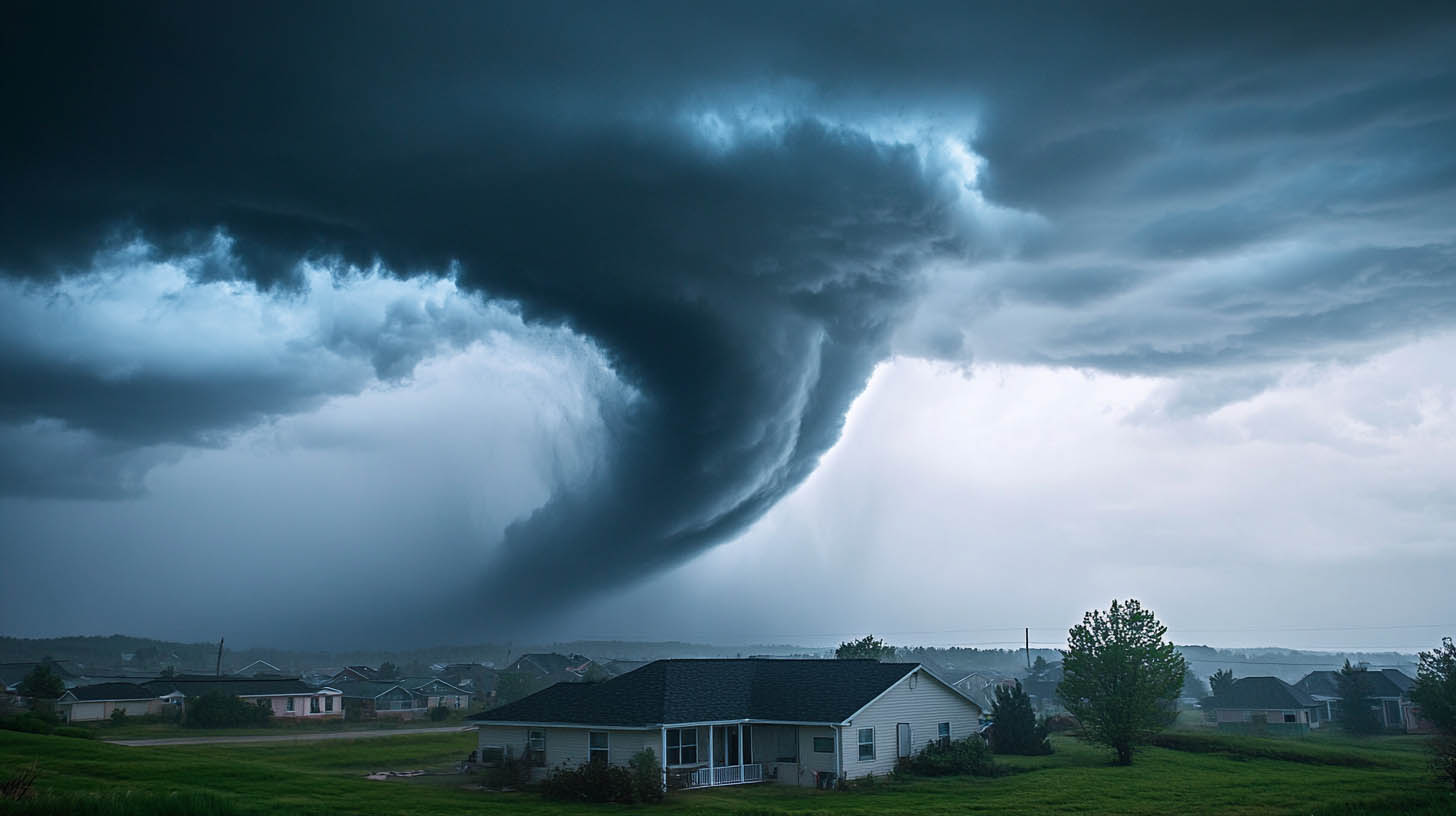
Storms pose a significant threat to the integrity of your roof, which acts as the first line of defense against the elements. Here at Skyright, based in Coeur d’Alene, ID, we understand how various weather conditions can compromise your roof and create long-term issues if not addressed promptly. Below, we explore the most common types of storm-related roof damage and provide actionable insights to help homeowners protect their investments.
1. Wind Damage
High winds are among the most frequent culprits of roof damage during storms. Strong gusts can loosen or completely dislodge shingles, tiles, and other roofing materials, exposing the underlying layers to further harm.
- Indicators of Wind Damage:
- Missing shingles or tiles.
- Curling or lifting of roofing materials.
- Debris scattered across the roof.
Prevention Tip: Regular roof inspections after storms can help detect wind damage early. Repairing loose shingles promptly can prevent water infiltration and structural weakening.
2. Hail Damage
Hailstorms can inflict extensive damage, especially when hailstones are large or combined with strong winds. Impacts from hail can crack shingles, dent metal components, or puncture waterproof layers, creating pathways for water intrusion.
- Signs to Look For:
- Dented or fractured shingles.
- Granule loss on asphalt shingles.
- Damage to metal gutters and flashing.
Did You Know? The largest hailstone ever recorded in the U.S. measured eight inches in diameter, highlighting the potential for severe damage.
Prompt inspection by professionals can address subtle hail damage before it leads to leaks or mold growth.
3. Damage from Fallen Debris
Storms often dislodge tree branches and other debris, which can strike roofs with significant force. Punctures, dislodged shingles, and clogged gutters are common results of falling debris.
- Consequences of Ignoring Debris Damage:
- Water pooling on the roof.
- Accelerated wear of roofing materials.
- Long-term structural damage to the roof.
Regular tree trimming near your property can minimize the risk of fallen debris during storms.
The Importance of Post-Storm Inspections
Timely roof inspections after a storm are critical for preventing minor issues from escalating. Here’s why regular checks are essential:
- Prevention of Water Leaks: Detecting and sealing leaks early prevents interior damage and mold growth.
- Insurance Coverage: Prompt documentation of storm damage increases the chances of successful insurance claims.
- Longevity of Roof: Addressing wear and tear immediately extends the life of your roof.
Achievements and Expertise of SkyRight
At SkyRight, we take pride in being a trusted roofing contractor in your area. Recognized as Bonner County’s #1 rated roofing company in 2023 and an Owens Corning Preferred Contractor, our skilled team provides top-tier roof repair, replacement, and inspection services tailored to your needs.
FAQs
Q1: How can I tell if my roof has wind damage?
Look for missing or curled shingles and scattered debris around your roof.
Q2: Is hail damage always visible?
No, hail damage often includes subtle issues like granule loss, which require professional assessment.
Q3: How quickly should I inspect my roof after a storm?
Inspections should ideally occur within 48 hours to mitigate further damage and document issues for insurance.
Q4: Can fallen debris cause immediate roof failure?
While not always immediate, punctures and structural damage from debris can escalate if left unaddressed.
Q5: How can I prevent storm damage in the future?
Routine maintenance, including tree trimming and professional roof inspections, significantly reduces risks.If you want to read a blog about common mistakes homeowners make regarding roof and storm damage, click here.