
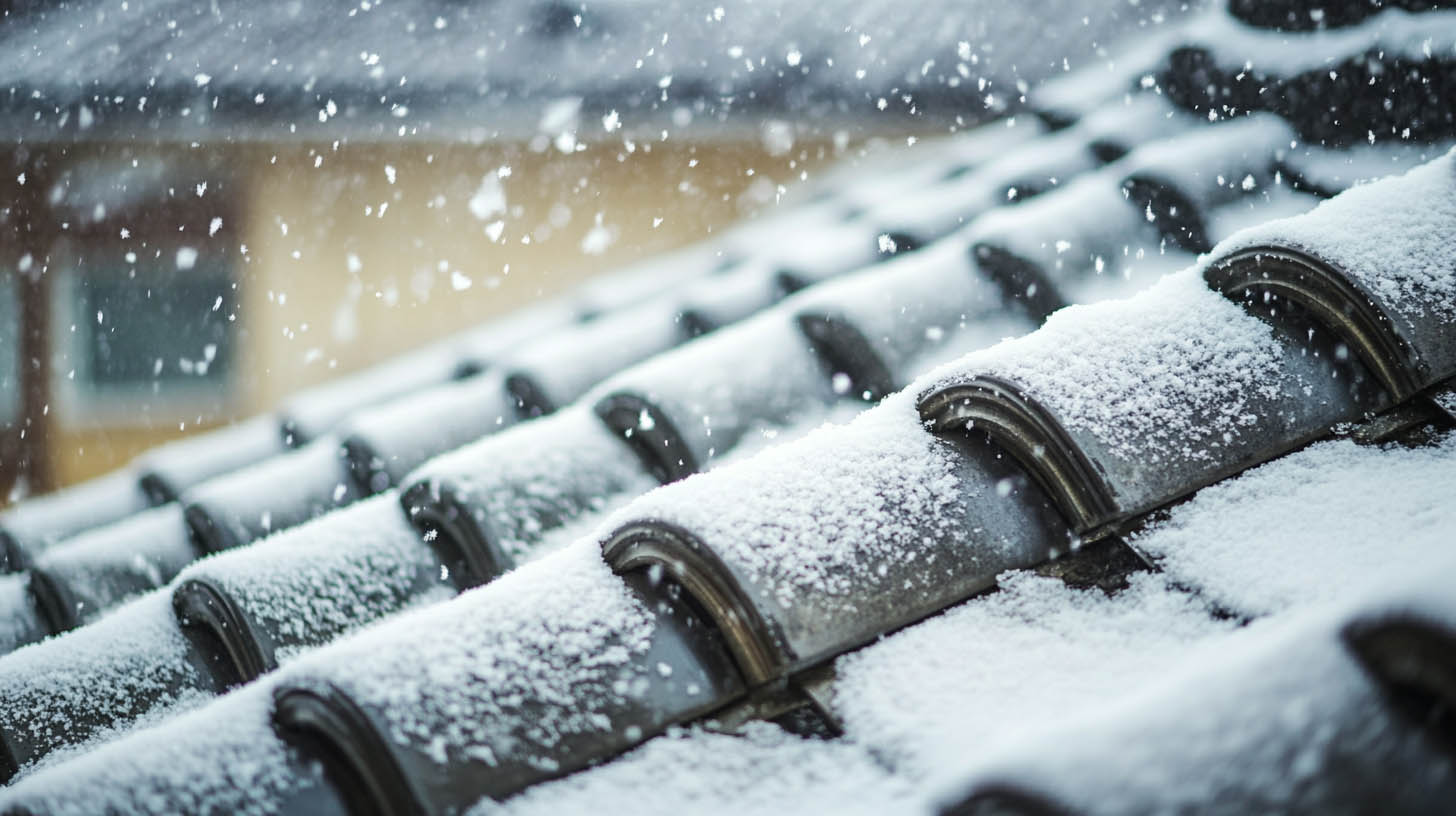
Winter weather brings challenges that can significantly affect your roof’s condition. Proper preparation ensures your roof remains resilient against snow and ice. SkyRight, your trusted contractor in Sandpoint, ID, provides expert solutions to safeguard your home during the colder months.
1. Inspect Your Roof’s Condition
Begin preparation by thoroughly examining your roof for issues such as:
- Debris and Damage: Look for holes, discoloration, and missing shingles.
- Leaks: Address leaks early to prevent snow from exacerbating the problem.
2. Clean Gutters and Downspouts
Debris-filled gutters obstruct snowmelt drainage, leading to:
- Moisture Accumulation: Causes structural damage over time.
- Ice Dams: Excess water freezes, potentially cracking your roof.
Ensure gutters and downspouts are clear to allow proper water flow and prevent damage.
3. Evaluate Attic Insulation
Your attic plays a crucial role in protecting against winter weather. Proper insulation:
- Regulates Temperature: Prevents heat loss and ice dam formation.
- Guards Against Pests: Reduces the risk of animals nesting in vulnerable spaces.
Check for gaps, damaged insulation, or signs of moisture to ensure optimal performance.
4. Monitor Snow Accumulation
After heavy snowfall, assess your roof for areas where snow piles up excessively. Key steps include:
- Raking Heavy Snow: Reduces stress on the roof and prevents structural strain.
- Checking for Leaks: Inspect your attic for water stains or mold after a storm.
Fact: A cubic foot of snow weighs about 20 pounds, putting significant pressure on your roof if left unchecked.
Spotlight on SkyRight
With certifications like Owens Corning Preferred Contractor and recognition as Bonner County’s #1 roofing company for 2023, SkyRight is equipped to prepare your home for winter. From inspections to repairs, we deliver top-notch service and quality.
FAQs About Snow Preparation
Q1: How often should I clear snow from my roof?
A: It’s important to clear snow from your roof after significant snowfall or when snow accumulation exceeds six inches. Depending on your location and the severity of the winter season, snow buildup can create excessive weight on your roof, putting stress on its structure. For safety and to maintain your roof’s integrity, it’s best to remove snow regularly during winter months, particularly after heavy snowfalls or when temperatures fluctuate, causing snow to melt and refreeze.
Q2: Can heavy snow cause roof collapse?
A: Yes, heavy snow accumulation can indeed lead to roof collapse if it remains on the roof for extended periods. Snow adds significant weight to your roof, and when combined with ice or frozen rain, the load can strain the structural integrity of your home. If the snow is not cleared or if the roof is not designed to handle such weight, it could lead to structural damage or even a collapse in extreme cases. If you notice sagging or bowing in your roof, it’s important to act quickly and remove the snow before further damage occurs.
Q3: What tools are best for snow removal?
A: The best tool for safely removing snow from your roof is a roof rake with an extended handle. This allows you to clear snow without having to climb onto the roof, reducing the risk of injury. Look for a roof rake designed specifically for snow removal, as it should have a gentle edge to avoid damaging shingles or the roof membrane. Make sure to start from the edges and work your way up to avoid applying too much pressure to the roof and to prevent snow from sliding off in large, uncontrolled chunks that could cause damage below.
Conclusion
Preparing your roof for snow protects your home from winter’s harsh elements. If you want to read a blog about how to avoid common roofing installation mistakes, click here.